ACHROMATOPSIA - Chris Gooch Interview

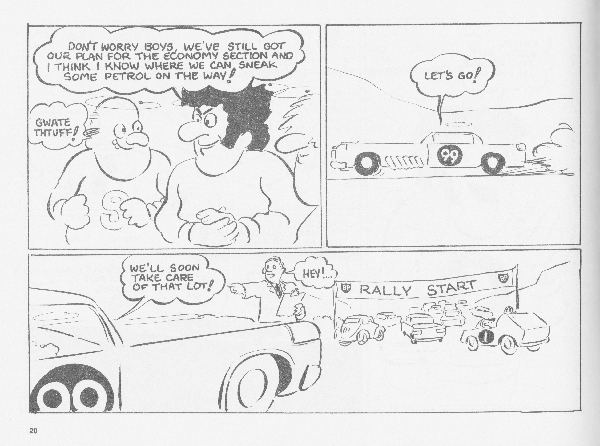
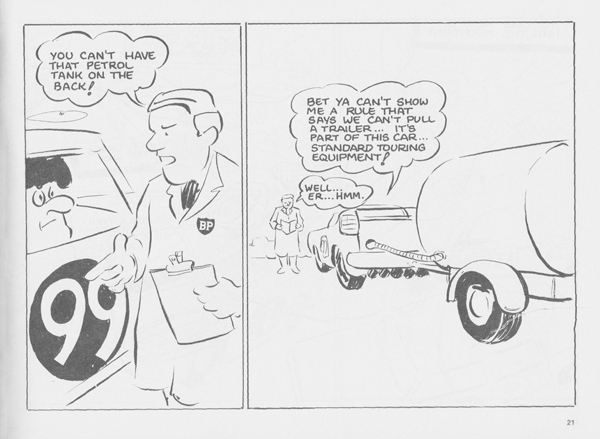
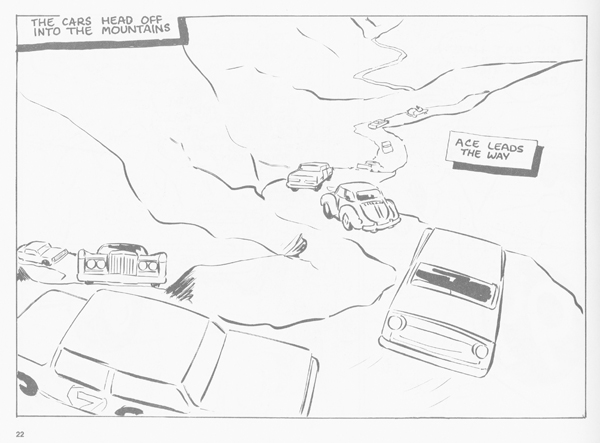
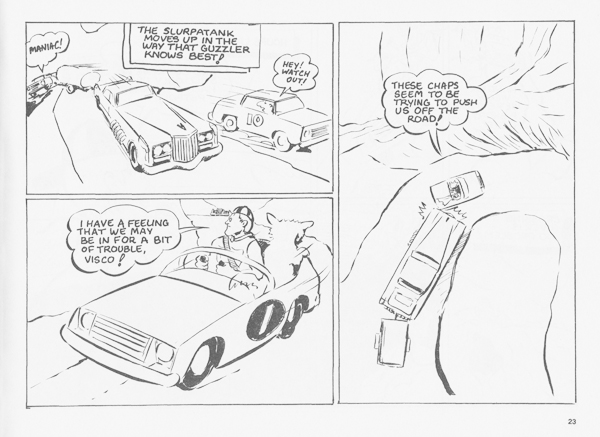
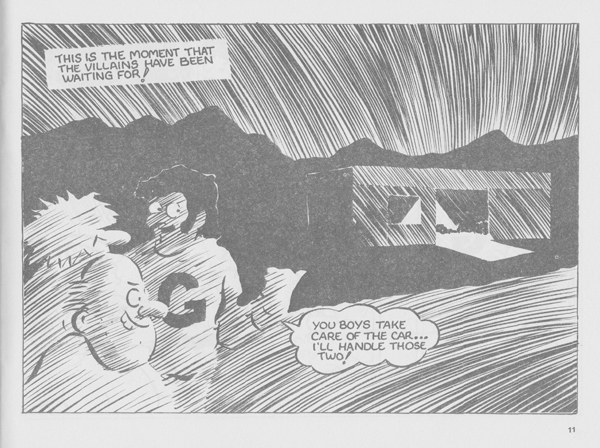
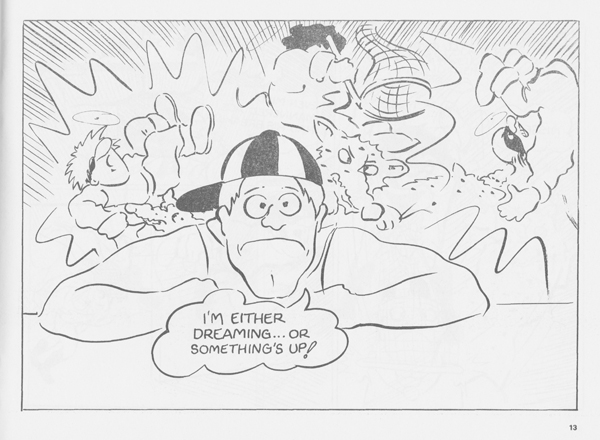
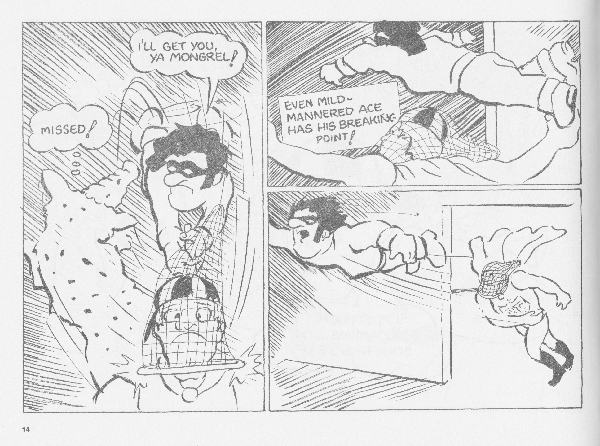
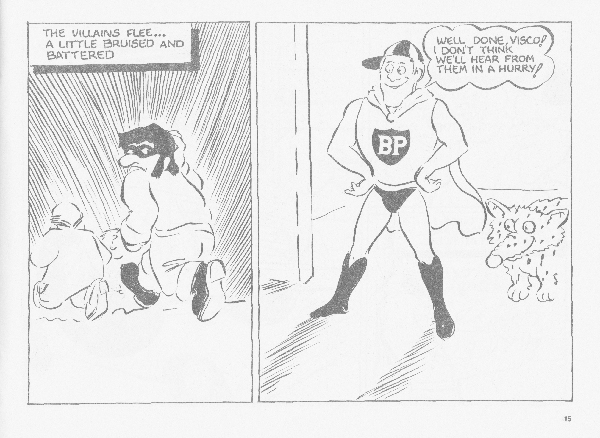
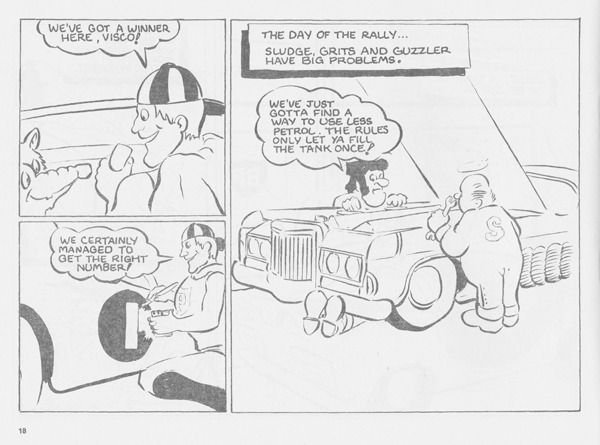
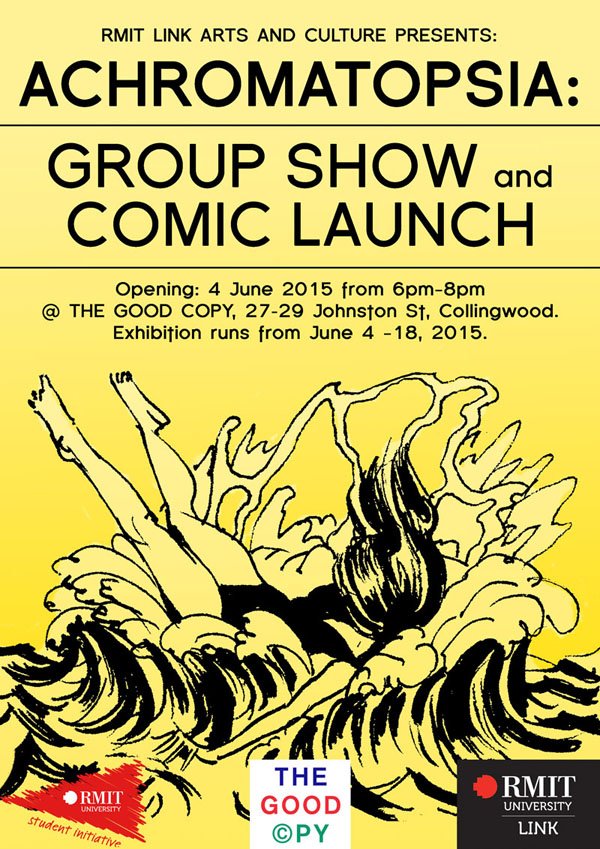
Prolific Melbourne cartoonist Chris Gooch has edited an anthology ACHROMATOPSIA that launches this week at The Good Copy in Collingwood, Melbourne. Featuring Editor Gooch and his fellow RMIT students, the ACHROMATOPSIA launch will also showcase an exhibition of riso prints. I asked Chris a few questions about editing his first anthology.

Matt Emery: What inspired editing an anthology? Has it been harder or easier than you imagined?

Chris Gooch: I just wanted to try doing one really, and having met a bunch of people through art school that were into comics and had a really well developed practice/style meant I had people to ask...

As for expectations vs reality, yeah, definitely harder than I thought I was gonna be. Admin is just really annoying, all this paper work and organising you have to do that eats into the time you'd otherwise spend drawing. The closer I get to the actual event the more stressed I'm getting. 
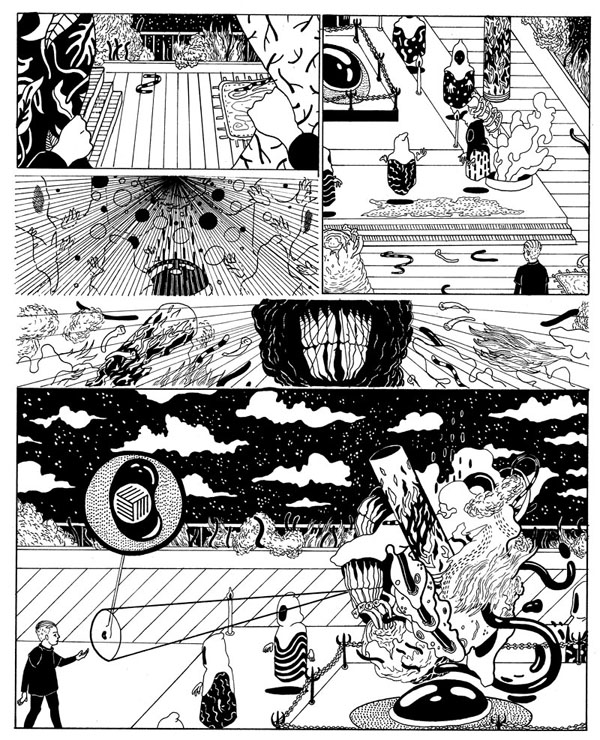
Joseph Lynch

Emery: I recall you mentioning some comics makers in ACHROMATOPSIA havn't come from a comics background, can you talk a bit about some of the artists involved?

Gooch: Well, we've all come through art school and maintained an interest in comics and drawing in general, which is something a lot of people end up ditching/losing, depending how you want to look at it.

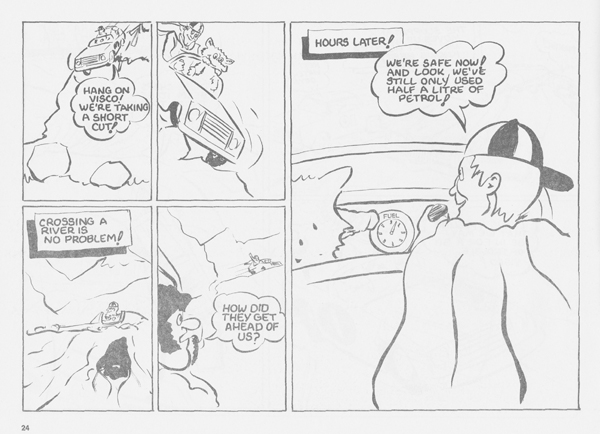
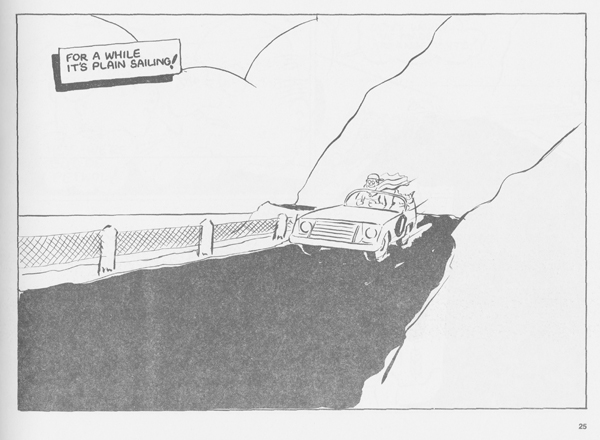
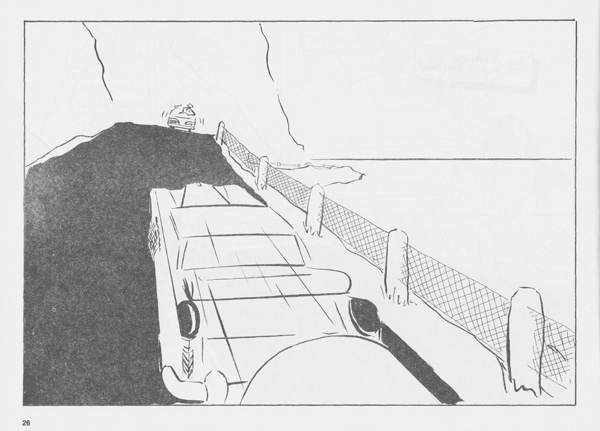
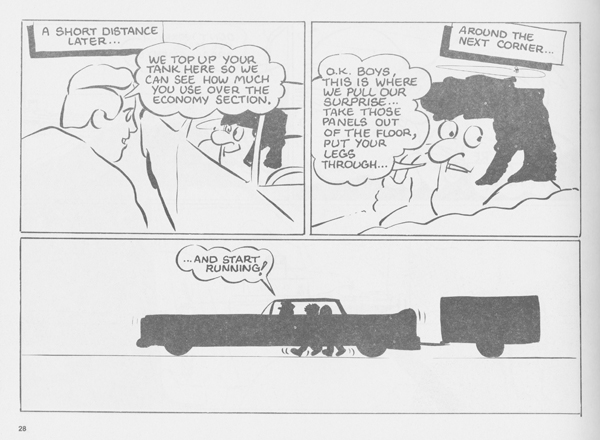
Um, as I see them: Joe has a really wonderful traditional draftsman quality to his work, Tilly makes very gentle, intricate drawings (I remember her saying ages that if they had a deeper meaning, it would have 'a gentle one' which I thought was cool), Christian's work is super high contrast and detailed, really, really eye catching, Julia's work is really beautiful and delicate, linework wise, and Will's comics and drawing is crazy detailed a bit disturbing at times. 

Emery: I Also recall you mentioning drawing tools being a thematic part of ACHROMATOPSIA, Can you talk a bit about that? Are there other themes that tie the anthology together?

Gooch: In general I think anthologies which have a narrative theme (the ocean, time, disappointment, etc.) run the risk of ending up with 6 stories which are all very similar. So instead, we opted to have a visual theme, with all of the artists using the same kinds of pens and all the work having to be straight black and white. For the stories we would meet and discuss what we were thinking of and try and bounce off one another - I remember changing mine pretty drastically because of some feedback I got. 
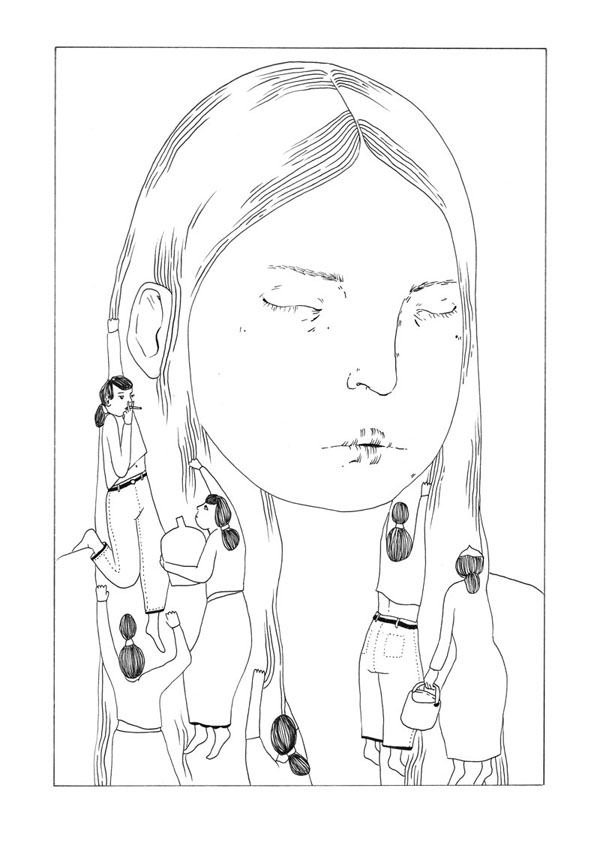
Julia Trybala

Emery: ACHROMATOPSIA combines comics and illustration work, was it always intended as a combination of narratives and illustration?

Gooch: The illustration part of the show - 9 riso prints done by different artists - was a later addition to the project, mainly because comics take a bunch of time to get started on. Our hope was basically to expand the project and make it into a hybrid comics, illustration thing, as there's often a lot of crossover in audiences that isn't often reflected in artist's projects. 

Christian Vine
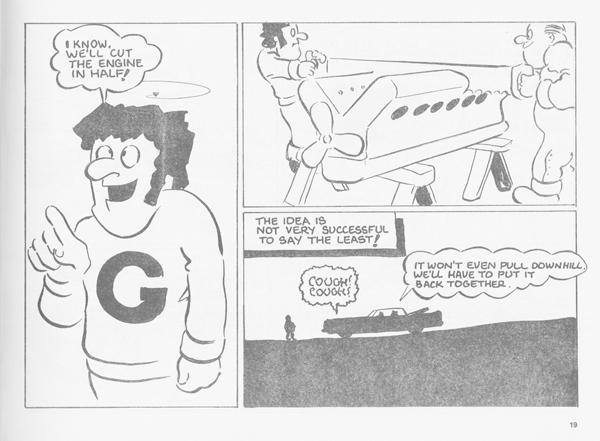
The Cartoonists Part Five

The several page article 'The Cartoonists' appeared in the weekly New Zealand Heritage magazine published in the early 1970's and eventually collected as a set of Encyclopedias.

Read The Cartoonists Part One

Read The Cartoonists Part Two

Read The Cartoonists Part Three

Read The Cartoonists Part Four

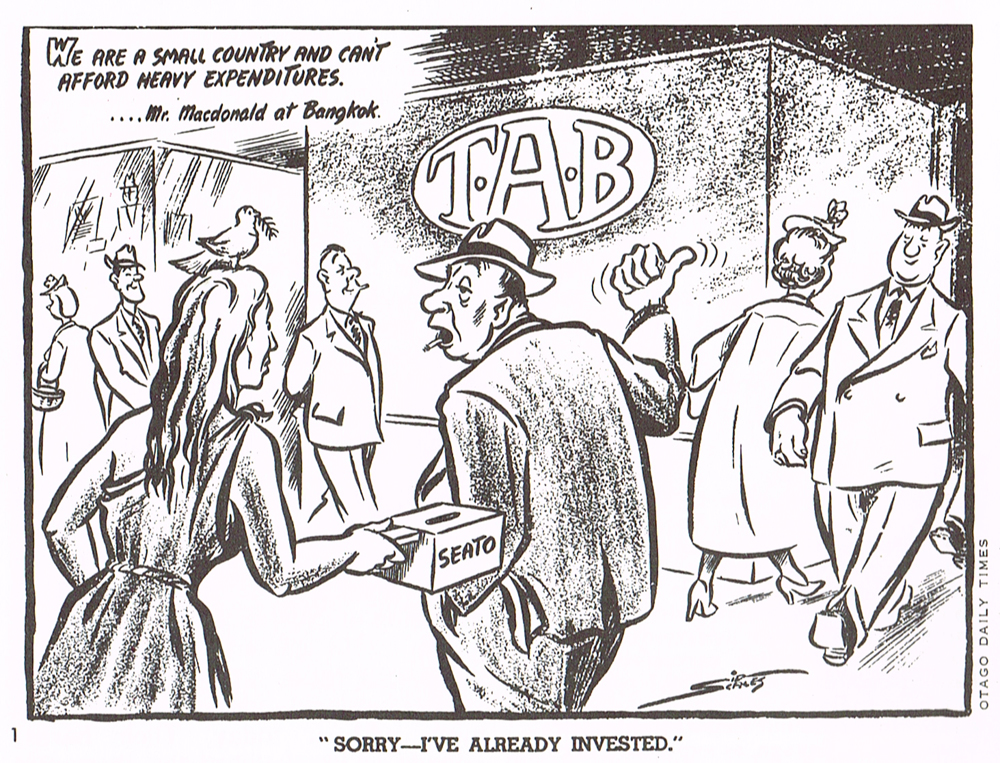
In this 1955 commentary on New Zealand's meagre contribution towards the South East Asia Treaty Organisation, Sid Scales of the Otago Daily Times shows less indulgence than Nevile Lodge towards New Zealanders' preoccupation with horse racing. The quotation is from T. L. Macdonald, Minister for External Affairs 1954-57.

Eric Heath, an admirer of the vitriolic Petty of The Australian, has asserted that New Zealanders live under a lot of umbrellas. "Anything I do that stabs people at all brings a flood of protesting letters. Readers are very sensitive, and there is a reluctance to draw such figures as the Queen or the Pope, which cartoonists in any other country can draw."

New Zealanders in the 1970s seem happier with the Giles type of man-in-the-street humorous cartoon than with hard political satire. It accords with a national character which Heath has defined as peace-loving, good-humoured, easy-going and domestic. Lodge agrees with that assessment, adding to it only an unreadiness to change unless overwhelming reasons are offered.

In this conservative, neighbourly milieu, caricature pure and simple has vanished and its use in cartoons has declined. Nor does New Zealand welcome extreme scepticism of the kind exhibited by Low in the year of his death, 1963. In such cartoons as "Man the Lord of Creation" Low seemed to be summing up a lifetime of close observation of his fellow men. The thrust was verbal rather than pictorial—but devastating. His Ten Commandments, for example, are "Don't Get Found Out" repeated 10 times. On his wall also is a house-hold motto: "Do Others Before They Do You.", A nation which expects cartoonists to be funny men might well have disowned one of its greatest sons—if it had seen his work.

Certainly cartoonists of nearly equal calibre working in New Zealand have eschewed satire in favour of a gentler, more humorous social commentary. They have performed superbly, as might be expected of men stooping slightly from higher purposes.

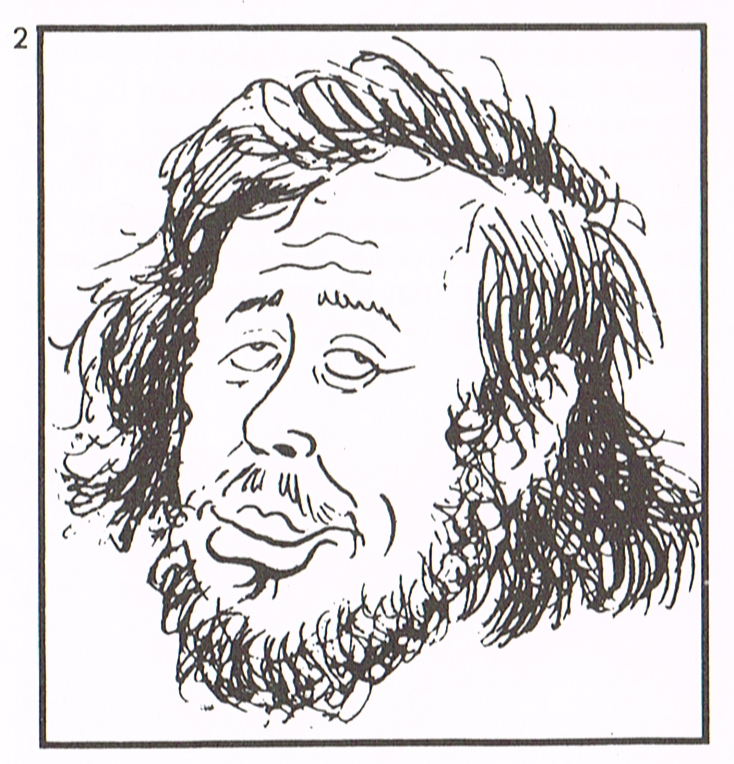
Caricature of himself by Les Gibbard. Reaching journeyman status under Minhinnick's tutelage on the New Zealand Herald, Gibbard in 1968 became a Political cartoonist with The Guardian (London and Manchester) and is now regarded as among Britain's best.

Sid Scales, for example: "This'll cheer you up dear—it's not real 'flu—just a viral infection." Or his teetotal fireman indignantly refusing to put out a hotel fire. Or Minhinnick's re-creation of that old tear-jerker "The Crisis", with Dr NZRU attending a fevered John Citizen at the crisis of the 1937 Springbok tour. Or Lodge's museum visitor glancing furtively around to see that no one is looking, then poking out his tongue at a Maori tiki.

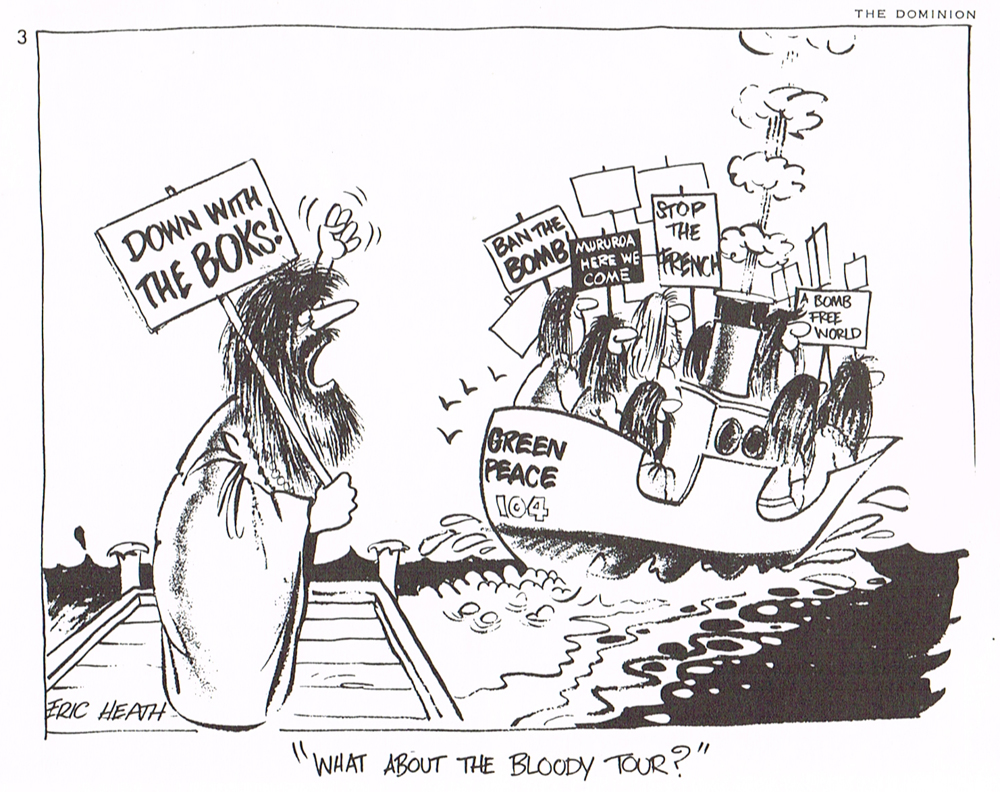
Eric Heath of The Dominion comments simultaneously on two major issues, the French nuclear tests and the proposed Springbok tour.

New Zealand's cartoonists can still hit the political nail on the head, as in the August 14 1968 Minhinnick picture of the Prime Minister lustily singing hymns in church, then groping after a single coin for the collection bag—"The collection will be in aid of the United Nations work for Refugees!" What they rarely do is hit the citizen's thumb as well. It is the way New Zealanders like things to be. Their cartoonists have caught the likeness well.