Incredibly Hot Sex with Hideous People - Bryce Galloway Interview

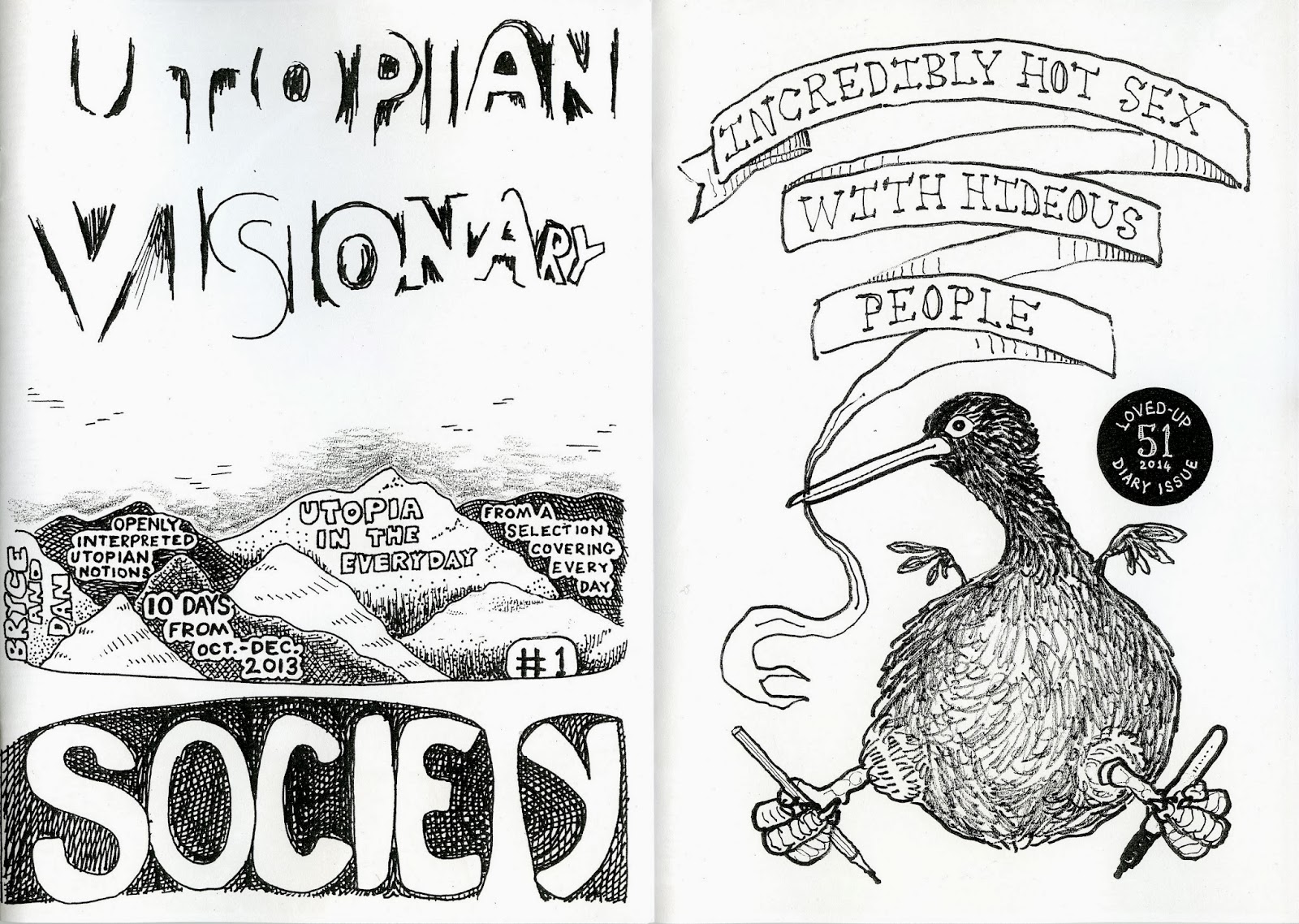
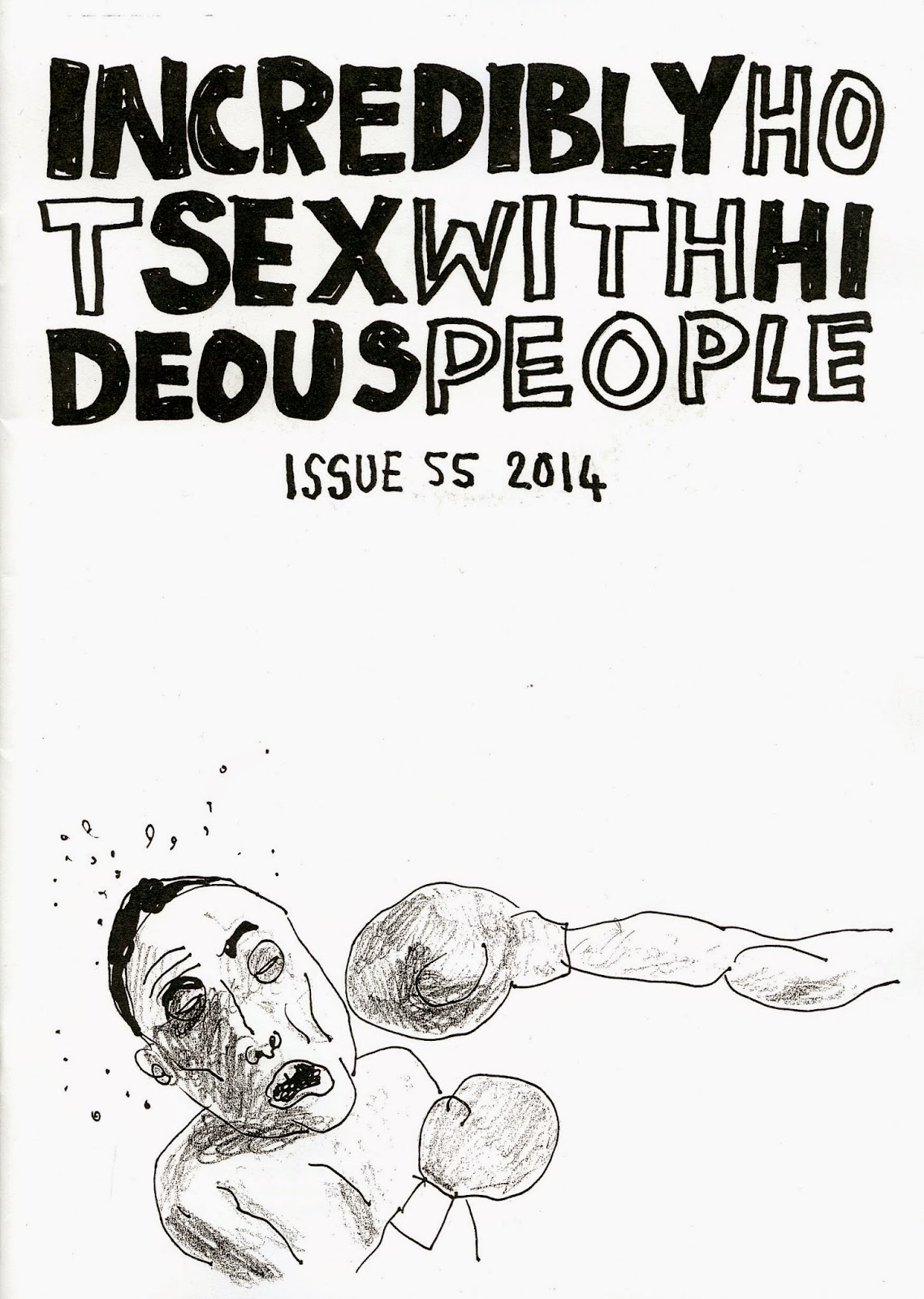
Bryce Galloway is the creator of New Zealand's longest running zine/comic with his largely auto-bio Incredibly Hot Sex with Hideous People. A regular publication since 2002, recent issue #56 provided an extensive history of the NZ zine scene. Bryce's firsthand account of the development of a scene that has flourished in recent years with zinefests now dotting the calender and happening in major centres all over the country provided a fascinating read. I asked him a few questions about putting it together.

Matt Emery: What was the starting point for writing a history of zines in New Zealand?

Bryce Galloway: I guess I just suddenly realized that my 14 years of zine involvement meant I'd seen some changes in the scene that were unbeknownst to most of the young people making zines: The steady rise of NZ zine production; changes in the platforms supporting zines; and changes in zine content/styles.

Emery: Are there any notable zines that you are aware of that were published outside of the main centres of Auckland, Wellington and Christchurch and Dunedin? Did you consider having more coverage of these provinces?

Galloway: It was pretty hard knowing where to look for such material. David Merritt is a notable exception, as a resident of Mangamahu (50kms remote of Wanganui) but otherwise it was a case of looking at the communities and connections built up around the five NZ zinefests in the larger urban centers. I'm aware of small rumblings in Palmerston North and Tauranga but I was writing mostly about the mechanisms - like zinefest - that have supported the exceptional rise in NZ zine production. Another reason for not seeking out remote individuals - also alluded to in the recent history - was that I didn't want to start canonising individual zine titles/zine-makers within the narrative.
Emery: Apart from Incredibly Hot Sex with Hideous People, what are some of the important zines that have come out of NZ?

Galloway: Ha ha… that I might be important!?!? The things that could conceivably make my zine important are its longevity (14 years / 57 issues) and the fact that it inspired a young Kylie Buck to get into zines and go on to start Wellington Zinefest. Hopefully its a quality zine, but there are plenty of quality zines out there. David Merritt is also notable for the longevity of his project (poetry in up-cycled book covers and banana boxes) as is Hamish Win's John Dory Report, also in its 57th issue. It's wonderful how different these three titles are. Other titles are often more fleeting but just as good. Look to any of the Best Of Fest competitions for some qualifying clues. The very recent Hamilton Zinefest 2015 was won by Makyla Curtis's wonderfully poetic The Great Goatsby. Matt Black's Objet Da Da - an extended taxonomy of found objects - came in second. Vincent Konrad's The Newest Yorker came in third for its painfully pithy cartoons.   

Emery: What were the most difficult parts of documenting the NZ Zine scene?

Galloway: It was easy to start but the quick turn around one hopes for with zines soon became elusive, as I tried to find out the names of all zinefest organizers over the years, or find out about the comics and anarchist scenes I've known comparatively little about.

Emery: Where can folk get a copy of the latest issue of Incredibly Hot Sex with Hideous People?

Galloway: People can check out all my wares at Incredibly Hot Sex with Hideous People and write to me. In Melbourne there's Sticky, Black Star Books - Ōtepoti, Auteur House - Hamilton, Audio Foundation - Auckland, and in my hometown of Wellington I often get them to numerous venues.
Landscape Comics - Atlas Publications

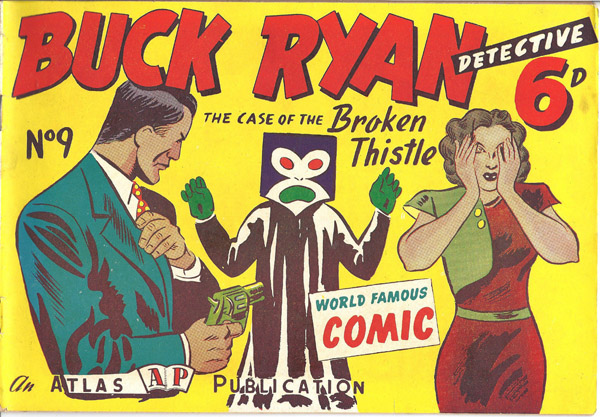
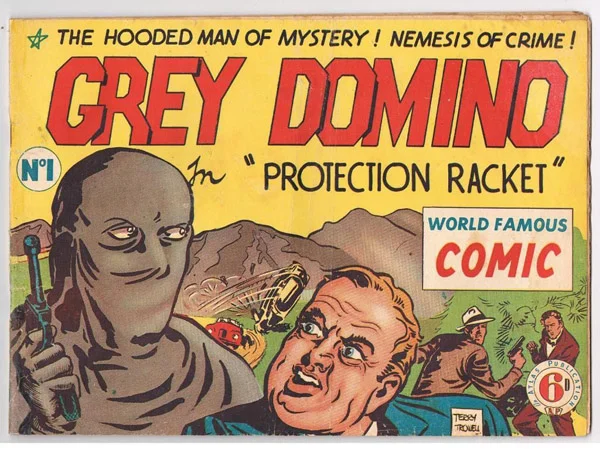
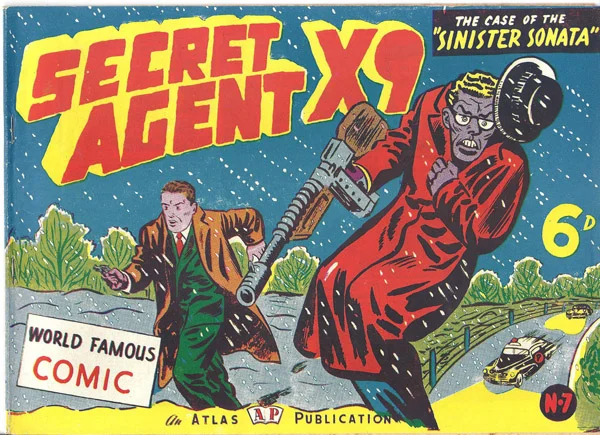
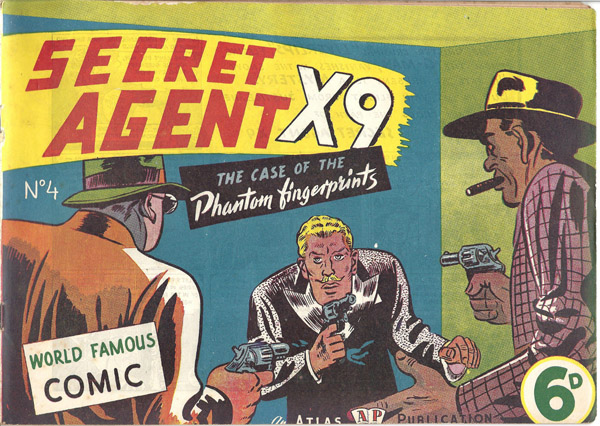
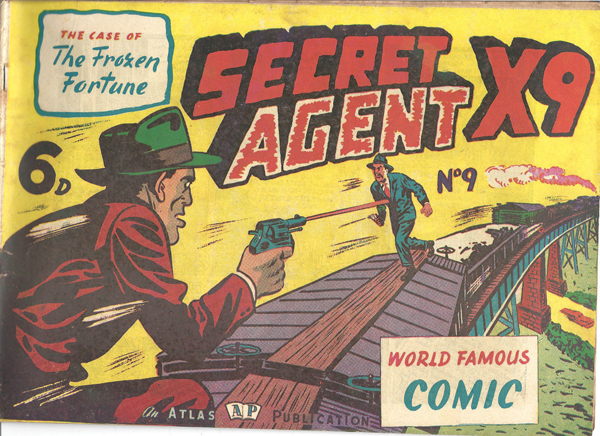
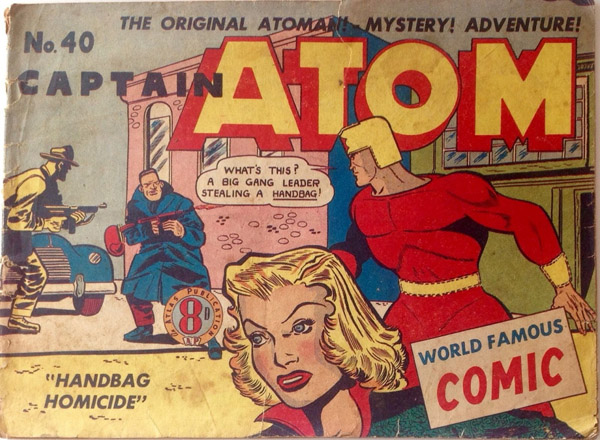
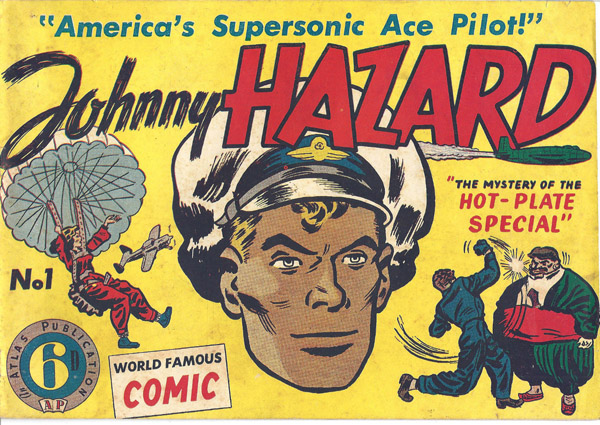
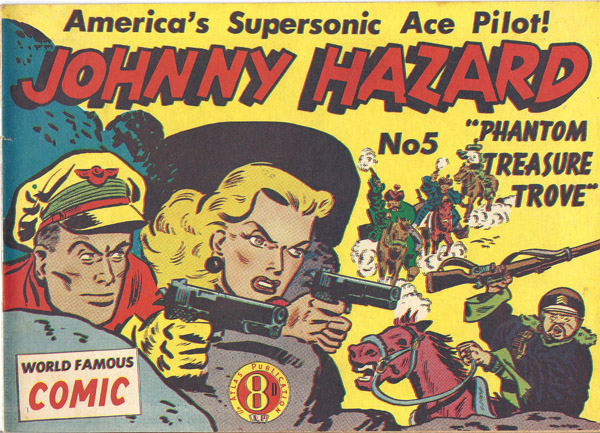
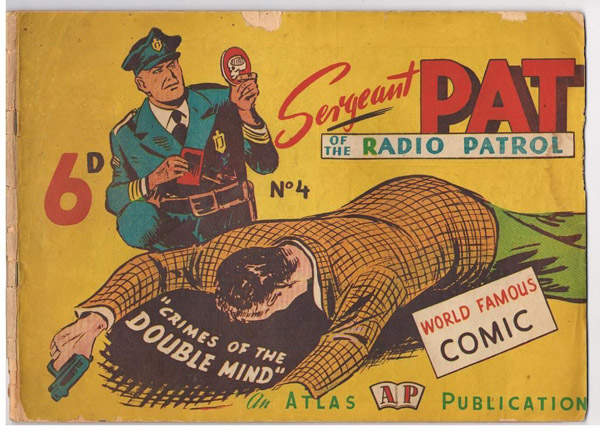
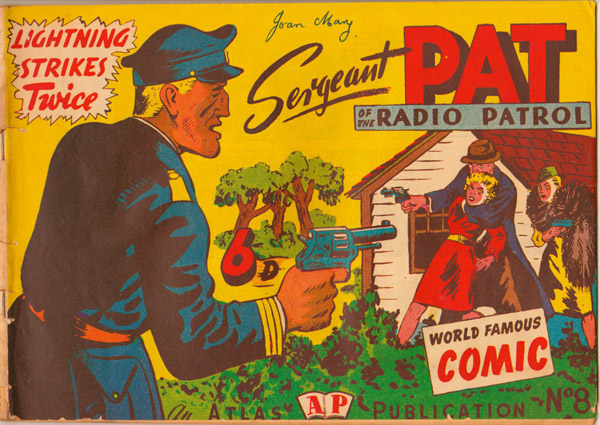
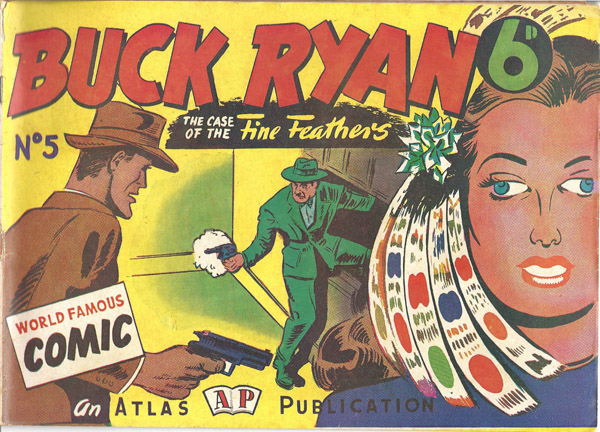
I've often wondered if comics produced in landscape dimensions were primarily an Antipodean format, with many titles in Australia and New Zealand during the 1940's - 1950's published in oblong formats. In Australia Atlas Publications, Classics Illustrated, Eric Jolliffe's series for Pix, Elmsdale Publications and numerous others utilised this format. In New Zealand Lower Hutt publisher Feature Publications' early reprints of American newspaper strips had landscape interiors under portrait covers. Samples below are from Australian published Atlas Publications titles reprinting American and British newspaper strips alongside Australian creations Captain Atom and The Grey Domino.

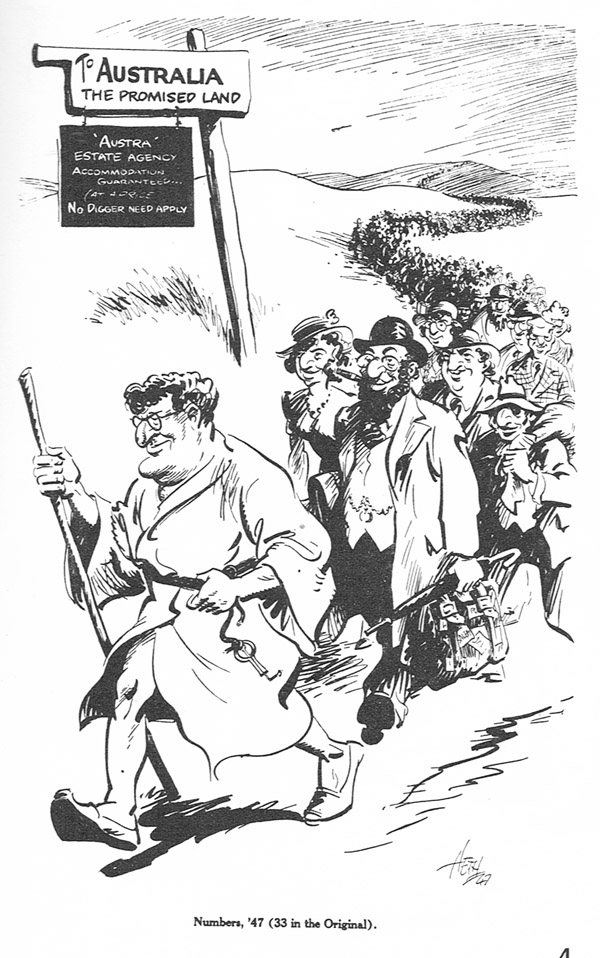
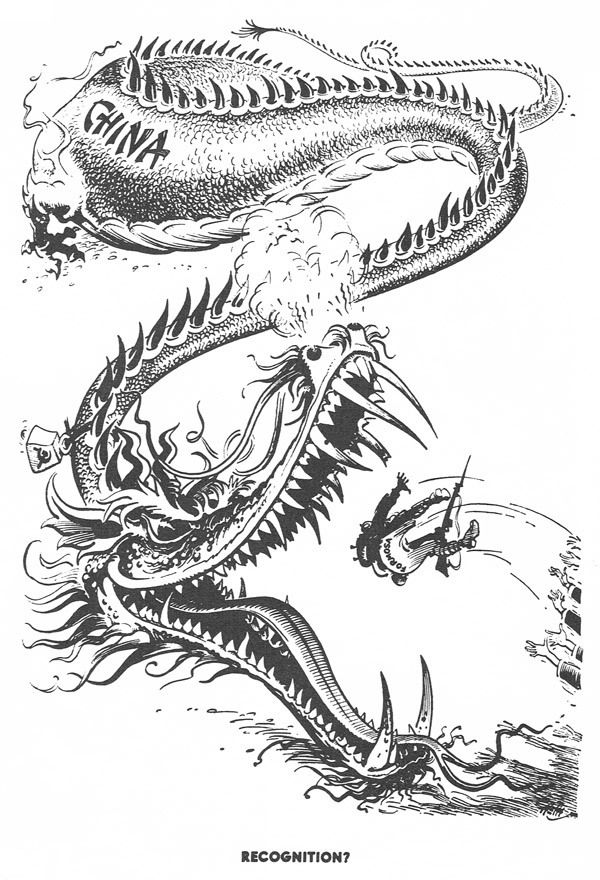
The Cartoonists Part Four

The several page article 'The Cartoonists' appeared in the weekly New Zealand Heritage magazine published in the early 1970's and eventually collected as a set of Encyclopedias.

Read The Cartoonists Part One

Read The Cartoonists Part Two

Read The Cartoonists Part Three

In the conservative newspapers for which they worked Minhinnick fitted naturally, whereas Low was a radical, an oddity who made his own rules. Minhinnick dryly pointed the political difference. "It is often written of a cartoonist that he 'crystallises and reflects the opinions of the common man'. If Low ever did that it was by coincidence. What Low crystallised and reflected were the opinions of David Low, and if the common man or anyone else didn't like it, they could do the other thing."

Gordon Minhinnick

Minhinnick considered Low's cari­catures as being not merely recog­nisable but ludicrously unmistakable —the very essence of the person. Yet he discerned in Low the quintessen­tial imp who would not have cared overmuch had he been wrong, and he quotes Low as saying that the first essential of caricature is that it should be a lark.  Low would have liked that. He wrote in his own introduction to H. R. Westwood's Modern Caricatures: "Satirists who approve beauty and goodness by idealising the persons and policies of their friends do so, of course, at the expense of the satirical essence of their art, and become accordingly dull. Satire can-not live with hero worship, and poetry is no part of the caricaturist's function. However the ethics of satire may be tortured in argument, it is difficult to hold that the satirist has any moral obligation to his fellows but to throw bricks at them."

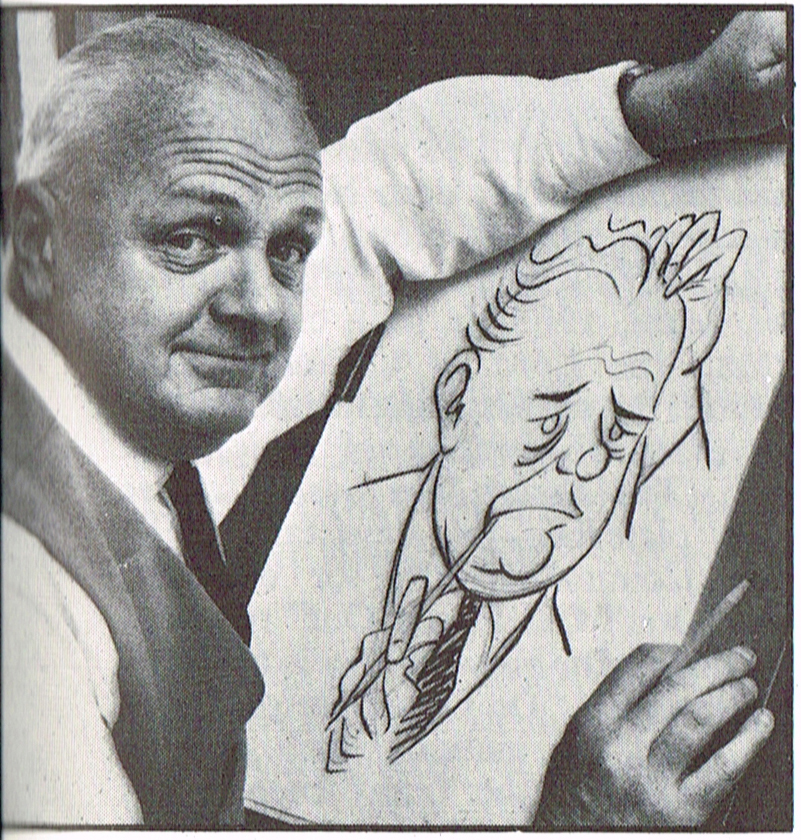
Nevile Lodge with self portrait at his drawing board

Where then are New Zealand's brick throwers? Minhinnick was one, though he seems to have mellowed with age. In the New Zealand Herald of July 15 1938 he depicted the Prime Minister, M. J. Savage, drinking a glass of State control, while Stalin, Mussolini and Hitler reach out for the bottle at his elbow. The caption is "The Spirit of his Ancestors". In that year, it is safe to assert, at least 60 per cent of Minhinnick's readers must have hated him for that.

By April 15 1969 Minhinnick was drawing — for example — Sir Edmund Hillary in an "Attempt on the North Face of Mt. Muldoon", and his brick is thrown accurately but with markedly less force. Nothing like George Finey's wicked caricature of Gordon Coates has lately been seen. It is as though New Zealand's cartoonists in the end are moulded by their audience—a people who expect cartoons to be funny rather than biting, who set limits well within those imposed by libel laws.

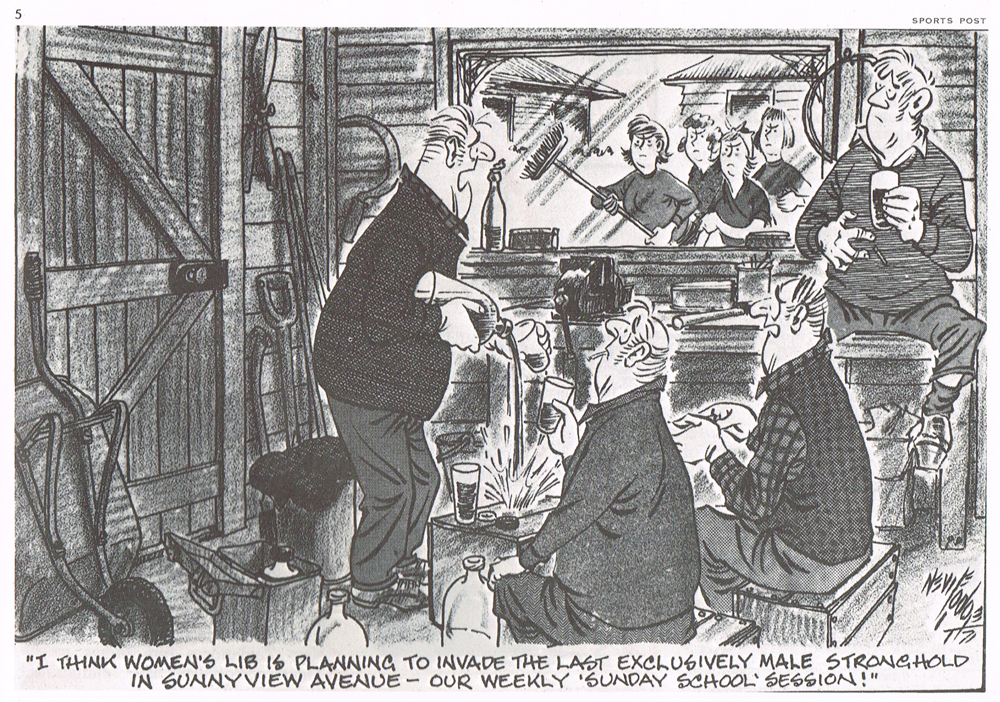
This 1971 Lodge cartoon is typical of the "average" New Zealanders he is most at ease in depicting, those whose primary interests are rugby, racing and beer.

Nevile Lodge (Evening Post) and Eric Heath (Dominion) consider that newspaper readers have become more rather than less sensitive since the flowering of New Zealand cartooning in the 1920s. "I am amazed at how outspoken those men were," Nevile Lodge has said. "We could not get away with it today. Their barbs seemed to be aimed at the character rather than at his ideas or policies."