The Cartoonists Part Four

The several page article 'The Cartoonists' appeared in the weekly New Zealand Heritage magazine published in the early 1970's and eventually collected as a set of Encyclopedias.

Read The Cartoonists Part One

Read The Cartoonists Part Two

Read The Cartoonists Part Three

In the conservative newspapers for which they worked Minhinnick fitted naturally, whereas Low was a radical, an oddity who made his own rules. Minhinnick dryly pointed the political difference. "It is often written of a cartoonist that he 'crystallises and reflects the opinions of the common man'. If Low ever did that it was by coincidence. What Low crystallised and reflected were the opinions of David Low, and if the common man or anyone else didn't like it, they could do the other thing."

Gordon Minhinnick

Minhinnick considered Low's cari­catures as being not merely recog­nisable but ludicrously unmistakable —the very essence of the person. Yet he discerned in Low the quintessen­tial imp who would not have cared overmuch had he been wrong, and he quotes Low as saying that the first essential of caricature is that it should be a lark.  Low would have liked that. He wrote in his own introduction to H. R. Westwood's Modern Caricatures: "Satirists who approve beauty and goodness by idealising the persons and policies of their friends do so, of course, at the expense of the satirical essence of their art, and become accordingly dull. Satire can-not live with hero worship, and poetry is no part of the caricaturist's function. However the ethics of satire may be tortured in argument, it is difficult to hold that the satirist has any moral obligation to his fellows but to throw bricks at them."
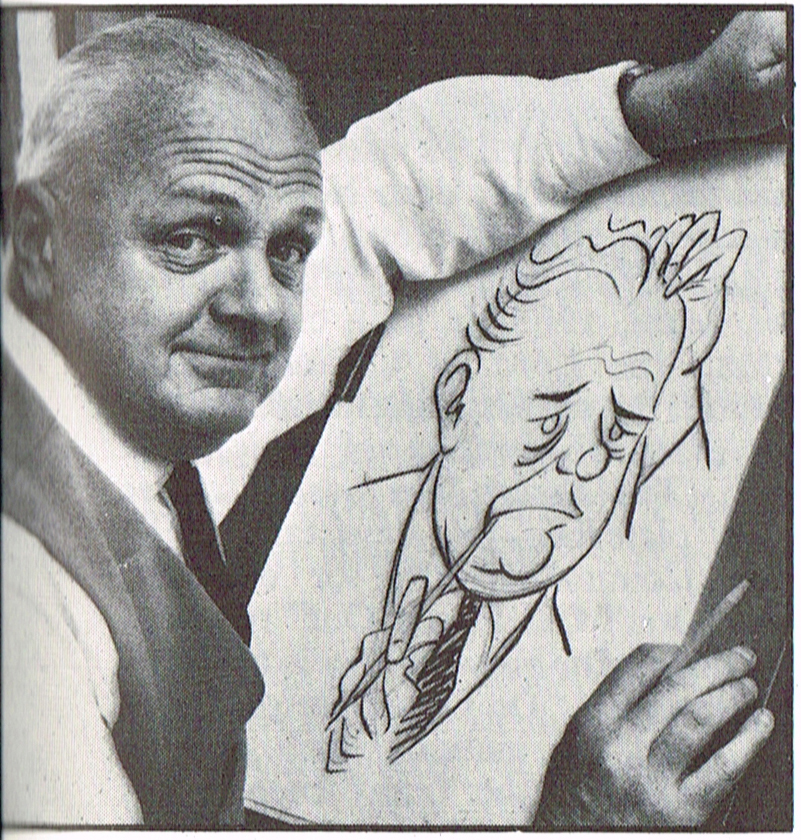
Nevile Lodge with self portrait at his drawing board

Where then are New Zealand's brick throwers? Minhinnick was one, though he seems to have mellowed with age. In the New Zealand Herald of July 15 1938 he depicted the Prime Minister, M. J. Savage, drinking a glass of State control, while Stalin, Mussolini and Hitler reach out for the bottle at his elbow. The caption is "The Spirit of his Ancestors". In that year, it is safe to assert, at least 60 per cent of Minhinnick's readers must have hated him for that.

By April 15 1969 Minhinnick was drawing — for example — Sir Edmund Hillary in an "Attempt on the North Face of Mt. Muldoon", and his brick is thrown accurately but with markedly less force. Nothing like George Finey's wicked caricature of Gordon Coates has lately been seen. It is as though New Zealand's cartoonists in the end are moulded by their audience—a people who expect cartoons to be funny rather than biting, who set limits well within those imposed by libel laws.
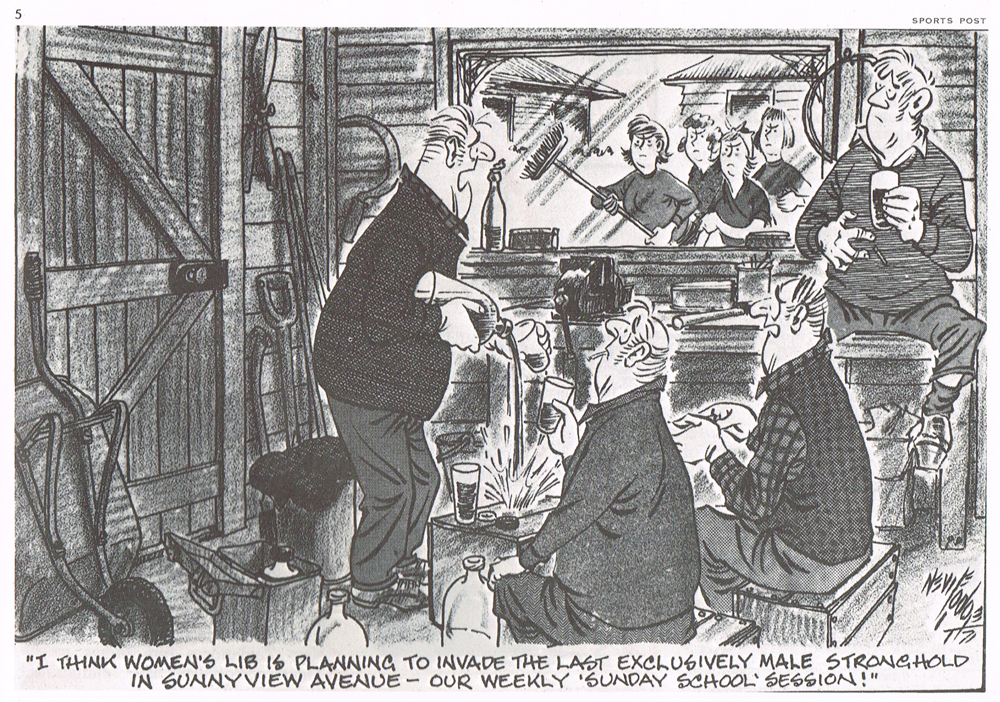
This 1971 Lodge cartoon is typical of the "average" New Zealanders he is most at ease in depicting, those whose primary interests are rugby, racing and beer.

Nevile Lodge (Evening Post) and Eric Heath (Dominion) consider that newspaper readers have become more rather than less sensitive since the flowering of New Zealand cartooning in the 1920s. "I am amazed at how outspoken those men were," Nevile Lodge has said. "We could not get away with it today. Their barbs seemed to be aimed at the character rather than at his ideas or policies."
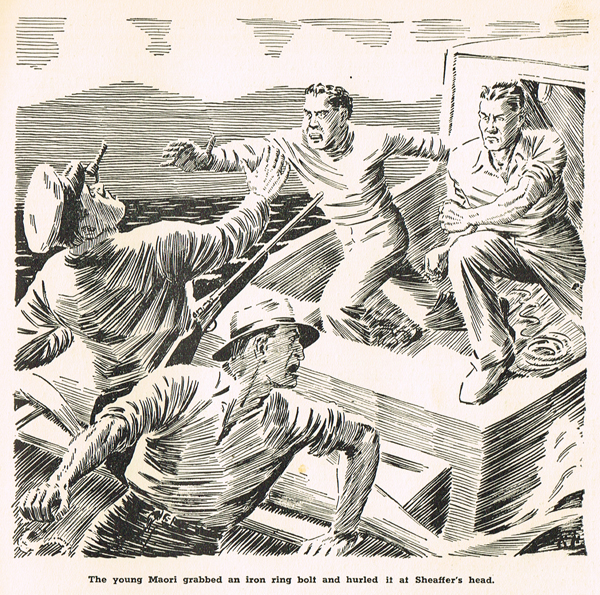
Noel Francis Rhoden (28 May 1911 - 1968)

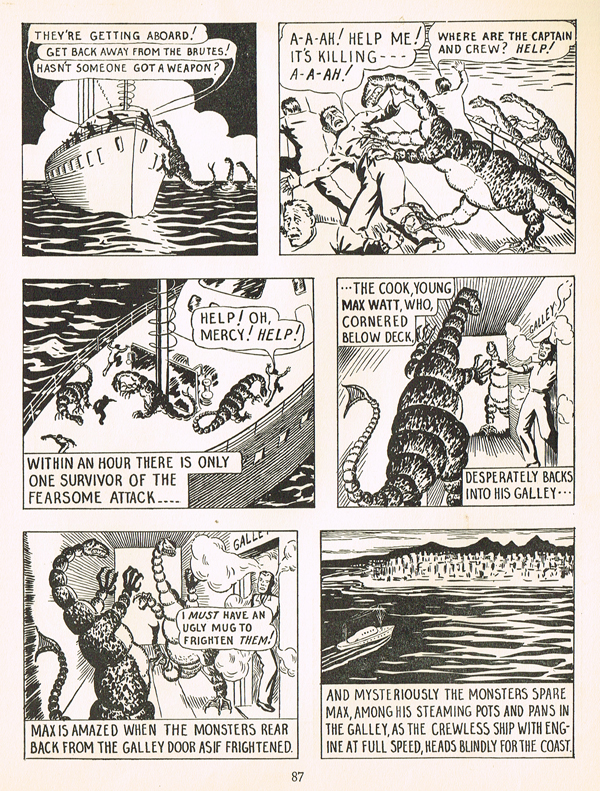
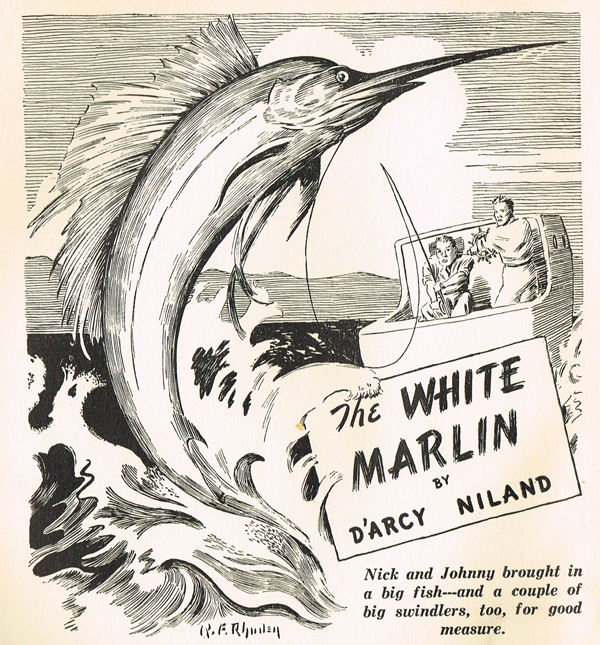
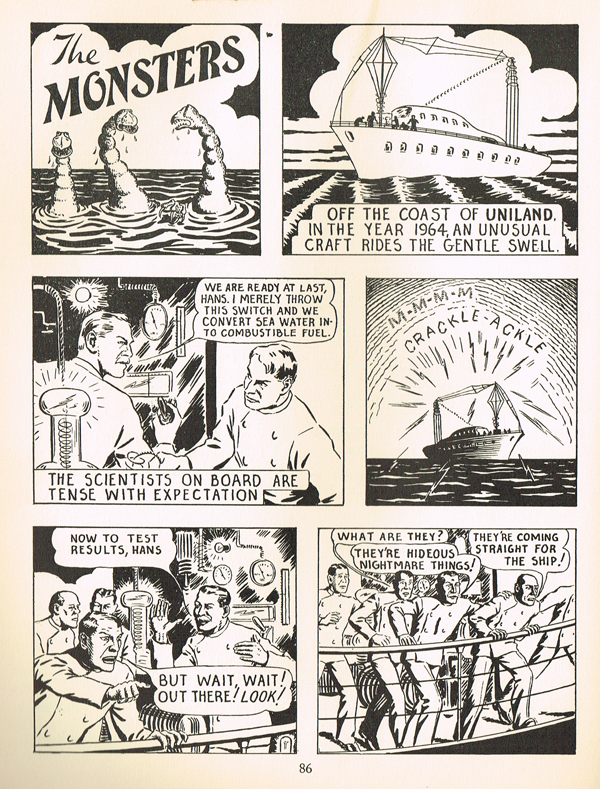
Whangarei born cartoonist/illustrator Noel Rhoden was born today in 1911. I've found little about Rhoden's background other than a mention in the Australian Journal, March 1937, of Rhoden's work in poster design and magazine illustration. Rhoden was also the sole illustrator of the second Coles Boy's Book published circa 1950's which included a ten page science fiction comic The Monsters, samples below.

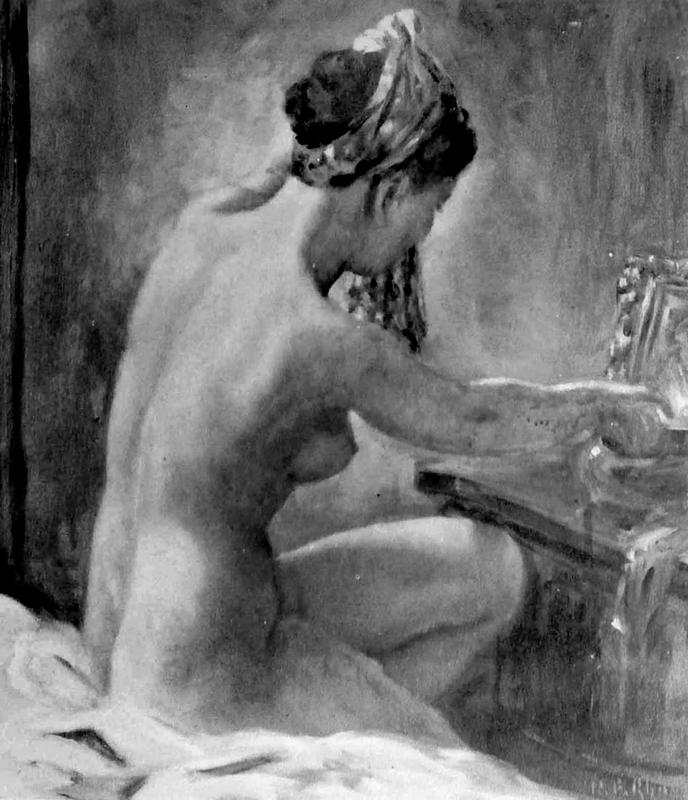
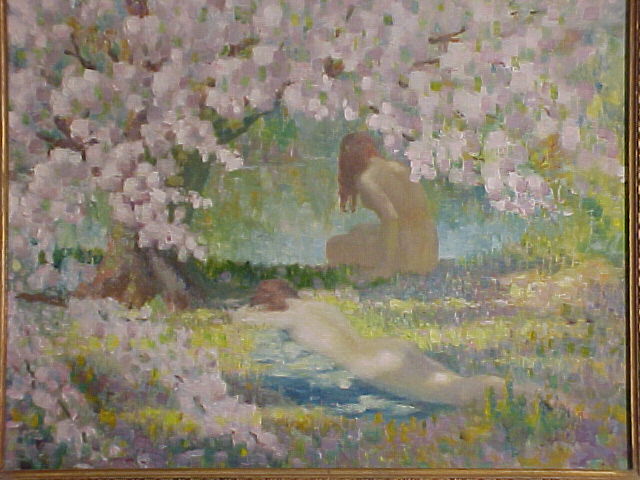
Rhoden was also active as a painter in the 1930's, with records of about forty existing works online.

Source: http://www.austlit.edu.au/austlit/page/A94998?mainTabTemplate=agentWorksBy

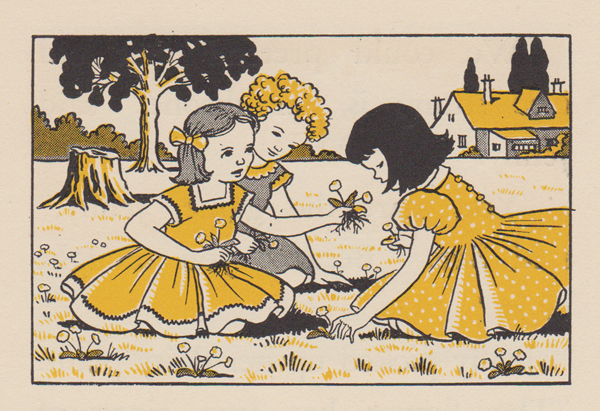
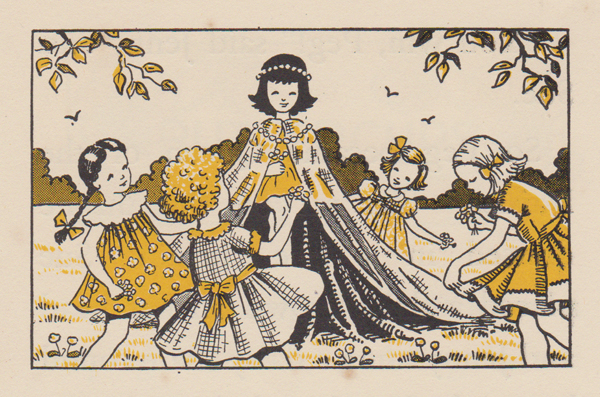
Buttercups and Daisies by Avis Acres

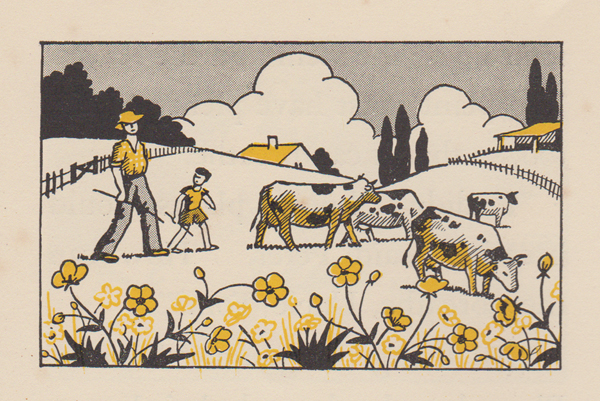
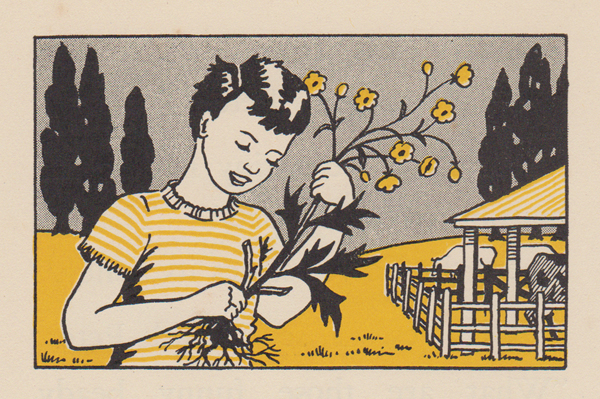
Buttercups and Daisies, a children's reader written and illustrated by Avis Acres (26 March 1910 - 15 October 1994). Thyra Avis Mary McNeil, more commonly known as Avis Acres produced The Twinkle Twins and other cartoons for the Auckland Star in her early twenties, samples here. Acres also produced three popular Hutu and Kawa books in the 1950's and Opo The Gay Dolphin published by A. H. & A. W. Reed. Through to the late seventies Acres was also active as a magazine cartoonist, painter, wrote radio scripts, articles and commercial art for various outlets.

2.jpg

Tonight: Graphic Contents Exhibition

Pic: Katie Parrish

The Graphic Contents exhibition opens tonight with a launch next Tuesday  at 1000 Pound Bend as part of the launch of the Melbourne Emerging Writers Festival.

"Australia’s comics scene is a small but vital one. Come check out our exhibition Graphic Contents Express, running from Tuesday 26 May – Friday 5 June. A literal visual feast, it will showcase work from Lachlan Conn, Mandy Ord, Chris Gooch, Katie Parrish, Josh Santospirito, Nicky Minus, Simon Hanselmann, Jo Waite, Merv Heers, Leigh Rigozzi and more in all its graphic glory.

The exhibition will be launched on Tuesday 2 June with readings by Mandy Ord, Merv Heers, Jo Waite, Leigh Rigozzi and more."

More info on the Emerging Writers Festival Site.

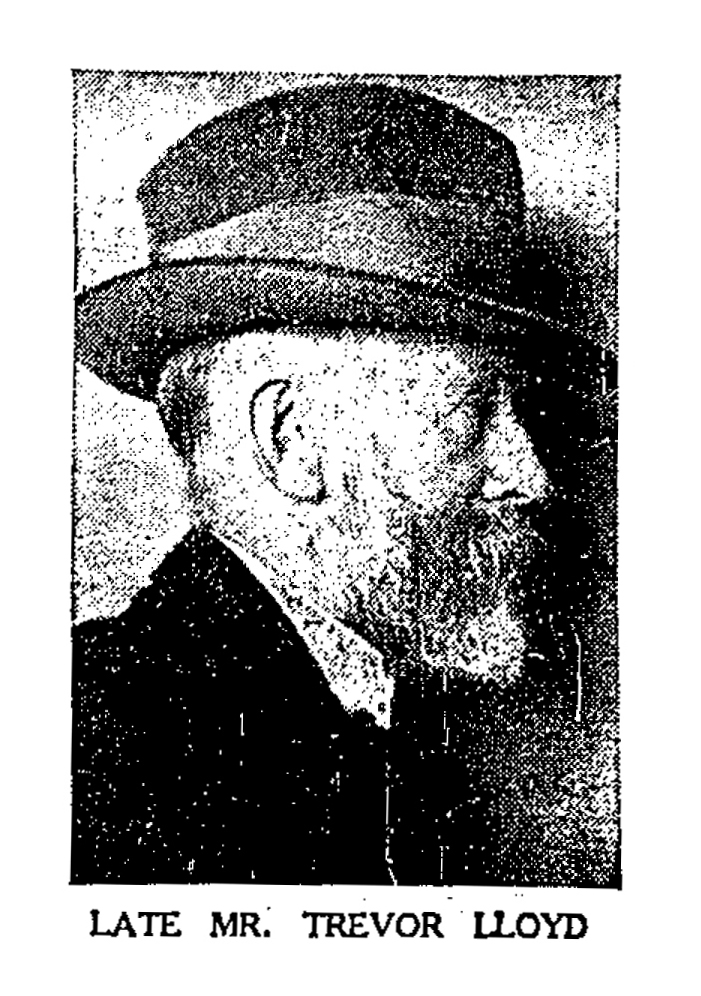
Trevor Lloyd Obituary (21 December 1863 – 11 September 1937)

Trevor Lloyd and his dog Hongi

The following obituary is reproduced from The New Zealand Herald, 13th September 1937, as featured on Papers Past. Although highly regarded as one of New Zealand's pioneer cartoonists, modern readers of Lloyd's work may not consider his art with such regard as noted here, specifically his use of racial caricature and some of his depictions of Maori. I think it is important to understand and engage art in the context of the time it was created regardless of how distasteful it may be by contemporary standards.


Death of Artist Trevor Lloyd – Popular Cartoonist

Weekly News and Herald

The veteran cartoonist, Mr. Trevor Lloyd, whose work for THE WEEKLY NEWS and the NEW ZEALAND HERALD was enjoyed by thousands of readers all over the Dominion for nearly 34 years, died on Saturday at his home in Clive Road, Epsom.  Mr. Lloyd became seriously ill last year and his retirement was announced at the beginning of November.  An entirely self-taught artist, Mr. Lloyd will perhaps be remembered best for the use he made of the Maori as a source of fun.  His humour was always genial and good natured and so true was his understanding of the native character that although in the course of years he executed many hundreds of drawings he was never known to offend the susceptibilities of a sensitive race.  In the political field he was the author of a number of cartoons which made a notable impression in their day. His favourite method was apt and kindly satire.

Life spent in Auckland

Mr. Lloyd was born at Silverdale and spent the whole of his life in the Auckland Province.  Nearly all his work was racy of the soil of northern New Zealand, and many of his drawings abounded with native flora and fauna, especially parrakeets, kingfishers and other birds, from whose beaks issued comments on the happenings depicted. Although he loved the country, farming did not appeal to him, and in the 'nineties, after the death of his father, Mr. Henry Lloyd, he moved to Auckland and set out to earn a living by his art. His first commission was to illustrate stories and articles in the New Zealand Magazine, published by Arthur Cleave and Company. He contributed for a time to the New Zealand Graphic, and in February, 1903, he was appointed to the staff of THE WEEKLY NEWS.

Pre-war Cartoons

Mr. Lloyd's early work for the paper consisted of political cartoons, mainly upon the doings of the Seddon Government. He also made drawings as "special artist," of events which at that time were beyond the scope of the camera, such as conflagrations at night and ceremonies held indoors. For the Christmas issue he painted New Zealand landscapes.

The Russo-Japanese War and the career of Sir Joseph Ward as Prime Minister gave him many subjects, and one of his most amusing cartoons of this period represented Sir Joseph adorning the kiwi with a tail of eight peacock feathers, each bearing a letter of the word, "Dominion."- When the American Fleet visited Auckland in 1908 he drew a Maori wearing pincenez and a wide smile and remarking "Kapai! All te same Roosevelt." A journalist who accompanied the fleet had it reproduced on a lantern slide and displayed it at lectures which he gave later in the United States.

Trevor Lloyd illustration from New Zealand Illustrated 1901.

"Will She Weather It?" - The New Zealand Herald 16th September, 1911

Ward Ministry's Shipwreck

The best-known cartoon that Mr. Lloyd ever drew appeared in September, 1911, before the general election in which Sir Joseph Ward suffered defeat. The drawing was entitled "Will She Weather It ?"  and depicted the Ministry as Maoris in a battered war canoe, heading for a rock under the escort of a shark labelled "Socialism." After the poll the artist was able to publish a second cartoon showing the shipwreck, with the shark swallowing the Hon. George Fowlds, who in the first picture had been represented diving overboard.

Throughout Great War Mr. Lloyd drew cartoons in every mood, reflecting the tragedy of that period and the humour which helped to sustain the Empire's spirit. The" first of them was called "Under the Shadow," and represented the angel of death passing over Europe. The last, "The Dawn of Peace," showed day breaking over a shell-wrecked French town.  Perhaps the best of the humorous pictures was "Dropping the Pirates," in which the Kaiser and the Crown Prince descended the gangway like Bismarck in Sir John Tenniel's famous Punch cartoon, and "Where to Kaiser?" showing a horde of Maori warriors rushing into the fray accompanied by a typical native dog.

Prohibition Warfare

On local topics, Mr Lloyd caught the public taste most aptly with the fun he made of the ' "New Zealand Snailways," a skit on the general slowness of the railway system, and ‘The Top Dog," which appeared when 'a census showed Auckland to be by far the largest city in New Zealand. During the long battle over prohibition he had much fun with "Spot," a ferocious bull-dog, in mortal combat with the tee-total cat.

Most of Mr. Lloyd's work for THE WEEKLY NEWS was done in line and wash, but in 1921 he began to contribute regularly in pen-and-ink to the Saturday supplement of the HERALD, continuing until his retirement. For the Christmas Number of THE WEEKLY NEWS he drew numbers of decorative borders, adorned with kiwis, tree-ferns and Maori imps.

Work as an Etcher

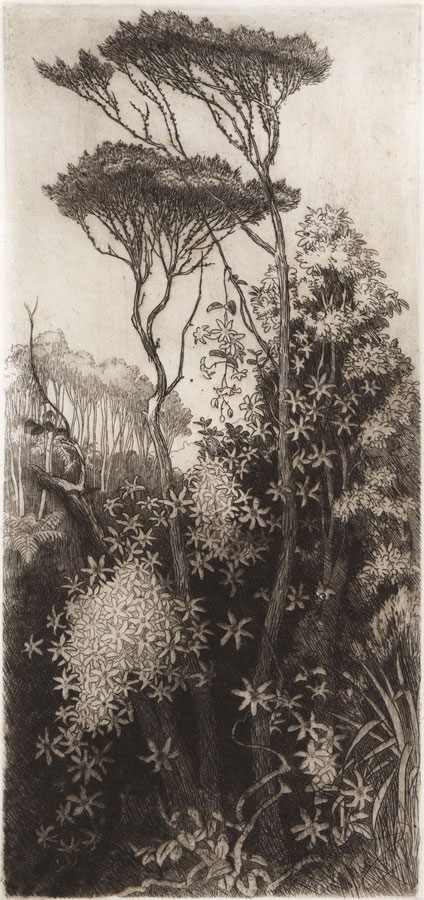
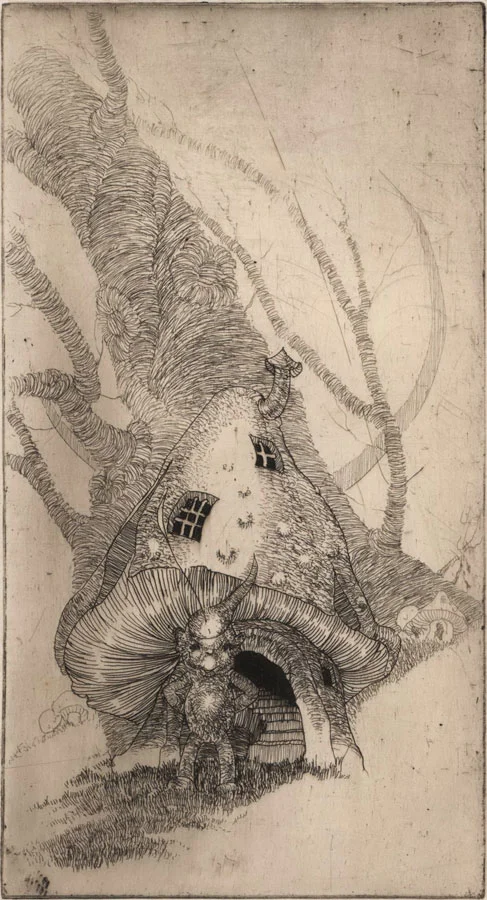
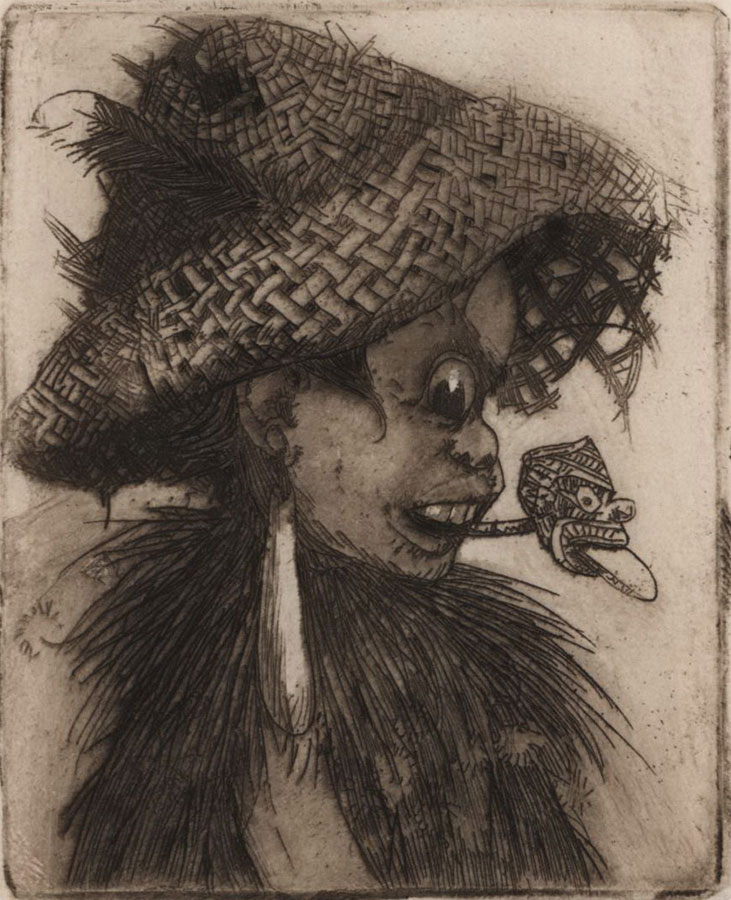
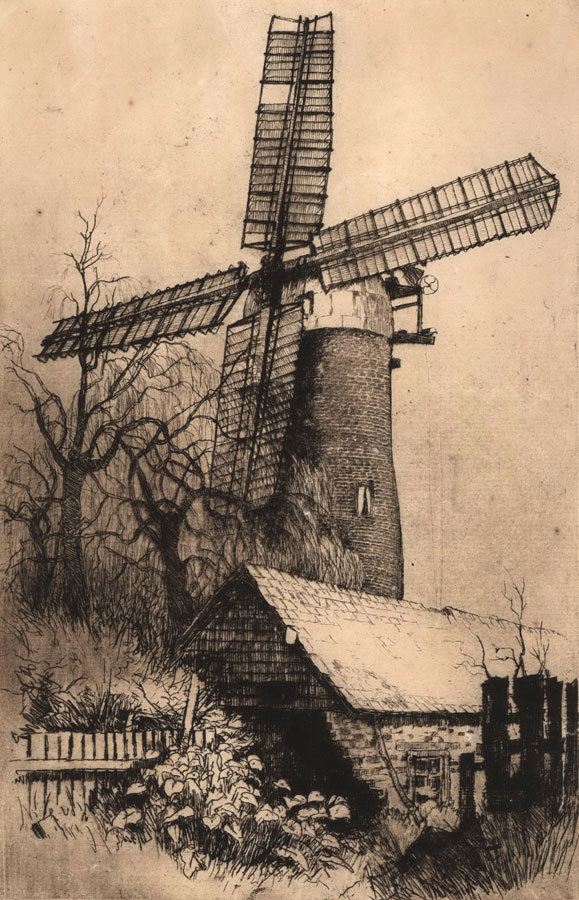
As a recreation Mr. Lloyd produced some hundreds of etchings, having taught himself the craft, of which he was almost a New Zealand pioneer. His subjects were mainly native trees, which he drew with singular insight, native birds, Maori heads and landscapes, and his prints are owned by collectors all over the world. His other avocation was searching for Maori relics, particularly on the West Coast from the Manukau Heads northward, every inch of which he knew well. He made many remarkable finds, in caves and middens, and built up one of the largest private collections in New Zealand of greenstone ornaments, implements and other native objects.

Mr. Lloyd is survived by his wife and two daughters, the Misses Constance and Olive Lloyd, both of whom have attained distinction among New Zealand etchers.

Below: A selection of Trevor Lloyds drawings, drypoints and etchings.