Tony Renouf Interview Part Two

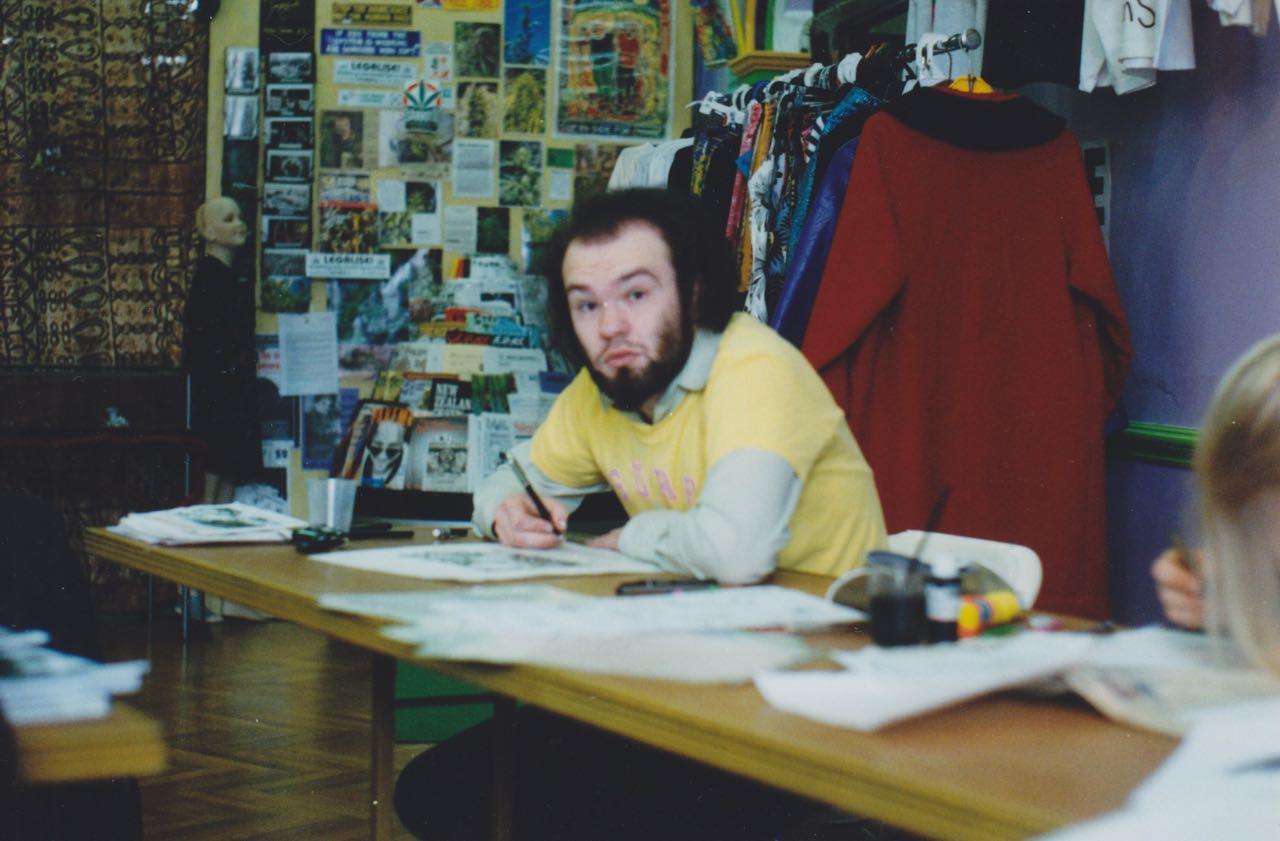
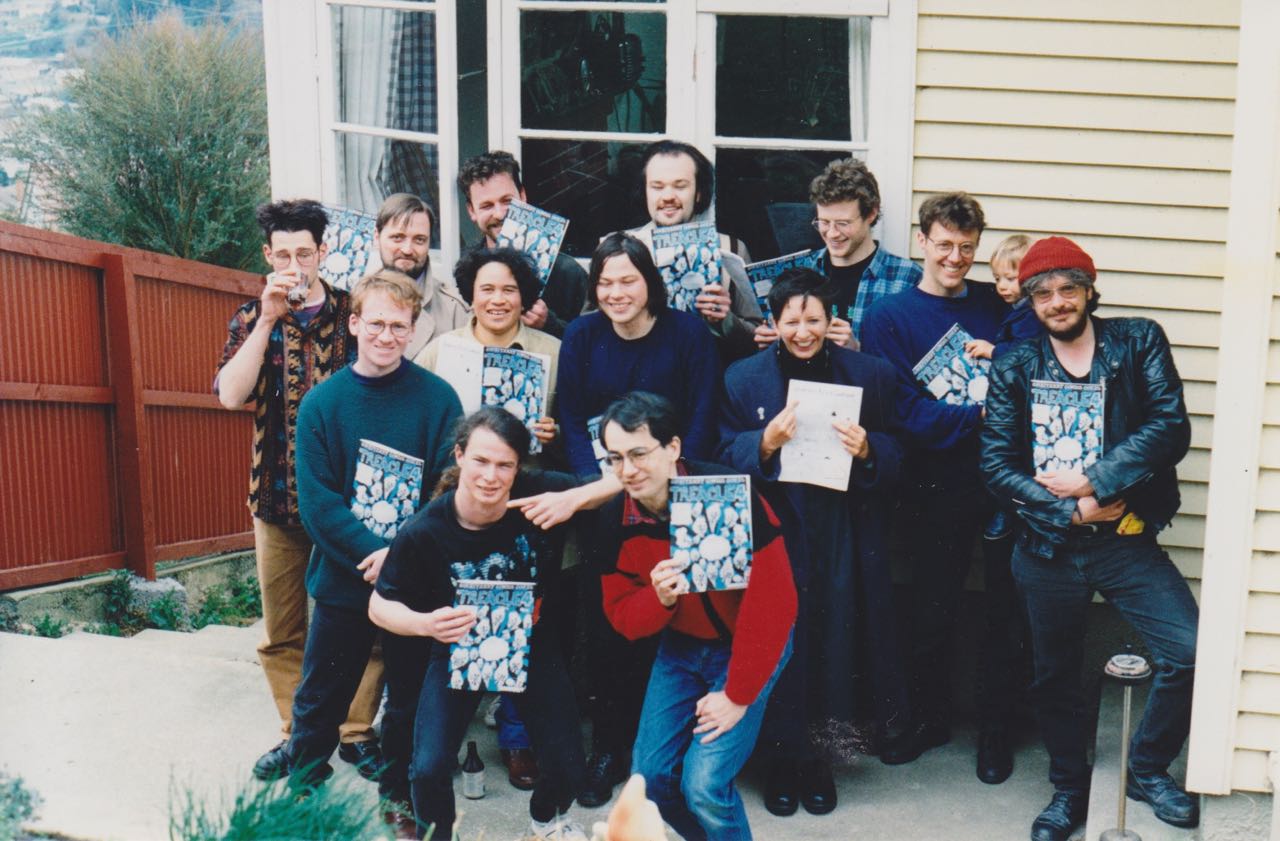
Tony Renouf: "The launch drunkenness for issue 4. Back row l-r...dunno, The Steamer, Anthony Behrens, Ross Campbell, Donald Ferns, Ken Gorrie, sprog of Gorrie, Morris Brown. Middle l-r...dunno (but he was mates with Paul Potiki and did lotsa Dr. Who fan club stuff) Tracy Osbourne, Glen Ross, Jane Gorrie, Front l-r...the guy who used real blood to illustrate his cartoon about using real blood to finish an exam when you run out ink...he committed suicide 3-4 months later, Paul Potiki."

Way back in last month I posted the first part of a three parter interview with Dunedin Cartoonist Tony Renouf, here's part two with the concluding part making an appearance this week.

Tony has recently started a tumblr: boredtootone2.tumblr.com

Read Tony Renouf Interview Part One

Matt Emery: One of my formative comics experiences was picking up Treacle #1 in the early 90's, I think from a comic shop in Auckland, I found other New Zealand anthologies, Razor, Scratch, and the last issue of Jesus on a Stick around the same time. Can you talk a bit about the genesis of Treacle? I'm guessing you were taking your cues from those earlier anthologies?

Tony Renouf: Formative?...I think you can get an ointment for that....hmmm...Treacle was definitely inspired by my experiences of being part of the Jesus on a Stick/Razor things and Dunedin's own Larrikin. I was starting to meet more and more folk who were interested in cartooning and we all needed a venue for our work. I think by that stage I was already organising a whole page in the Critic (OUSA newspaper) with three (or was it four?...Four I think 'cos we got $5 each per strip...it was the $25 per week photo development money from the Critic budget!) other 'toonists so was looking to the anthology thing so we could include more folk. Once I'd got the ball rolling I started annoying everyone I knew who could hold a pencil to "Fill the space". I'd already published my own minis and worked in the printing industry for some time (both pre & post press) because I wanted the basic skills to produce a publication by hook or by crook .

When I started putting together Treacle I could not only format my pages with trim marks etc all mounted ready for plate making but I knew how much beer for how many copies...er...and could bind & trim them on commercial machinery without losing a limb...voila... Treacle...boxes & boxes of printed matter that no-one was really that interested in buying.

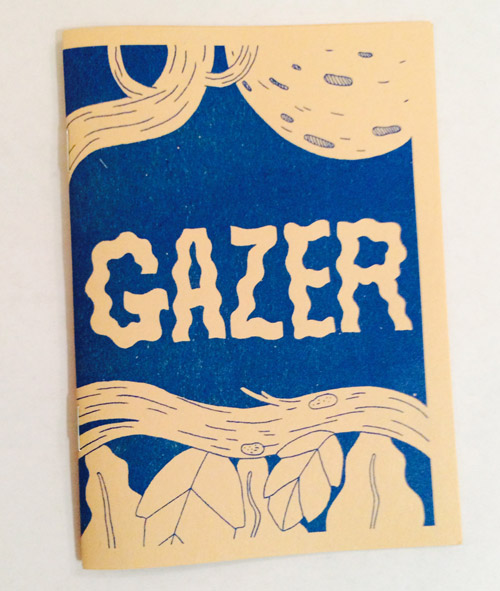
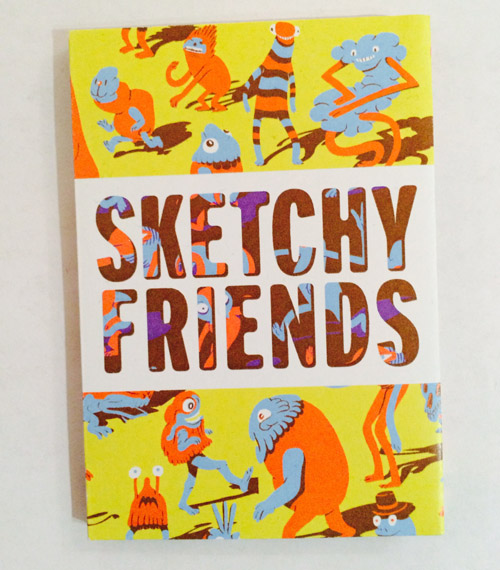
I guess I fell over on the distribution side of things writing letters, receiving answers then sending stuff out....all pre-intraweb ...and the local market was hard. Everyone thought it was a fabulous idea but nobody wanted to part with cash for them. Eventually I could no longer afford to  keep throwing money in the hole. (No nice cushy grants from the arts council in them days). We downsized to A5 for Ummph! Then I buggered off overseas for awhile. Publishing took a back seat when I got back as my next job was at Echo records, I started to focus more on music and cartooning took a back seat but I'm a bit proud that i managed to get close to 50 people (rough guesstimate only!) from the ages of ten thru to 64 (again, figures conjured from failing memory!)  into print across 5 issues of Treacle.
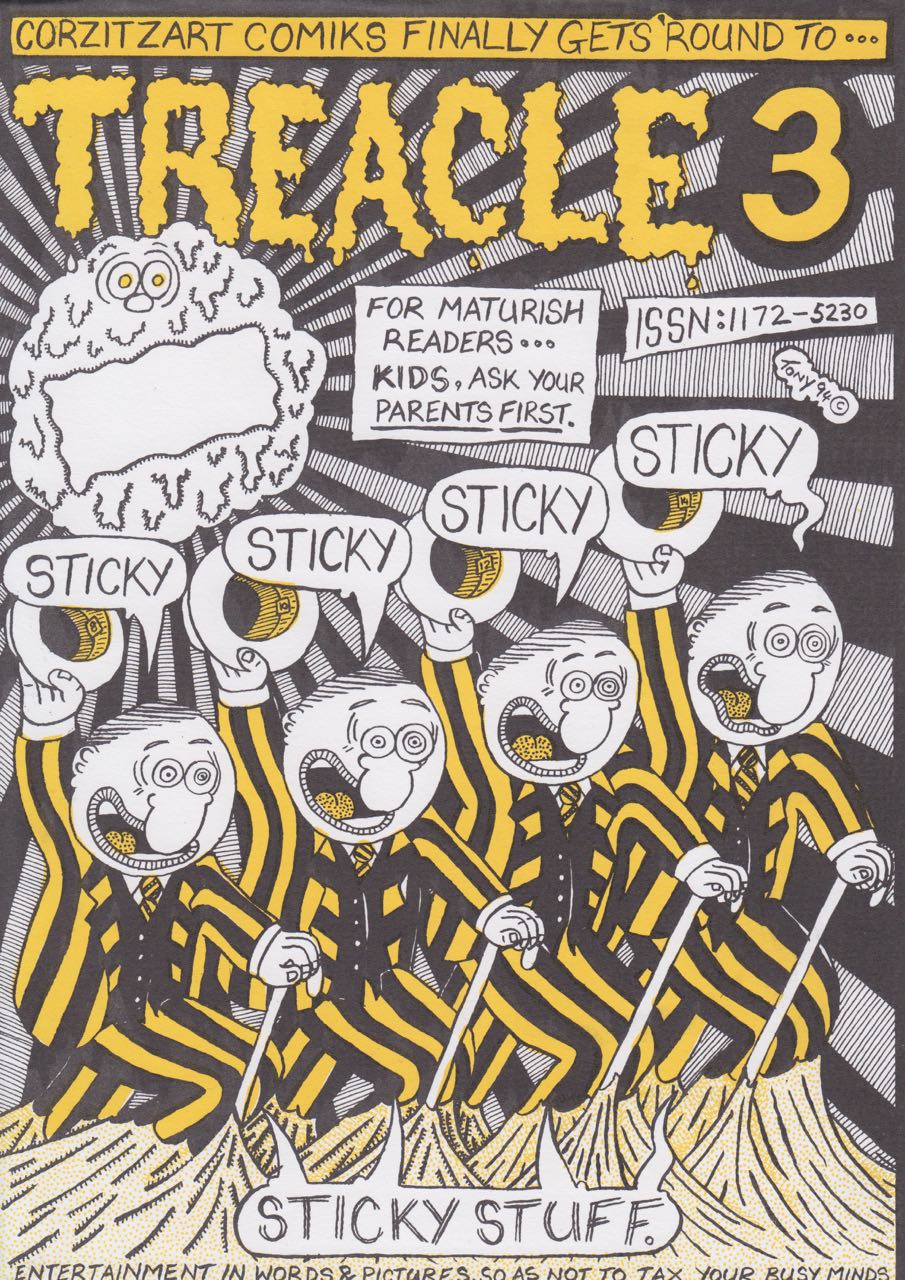
Treacle #3

Emery: How did you meet Chris Stapp? He's always struck me as one of NZ's most under appreciated cartoonists. Perhaps he's more well known for his other "contributions to the arts" I loved his early ‘Jamie Hewlett style’, and the later cut throat humour strips he did for gig guides.

Renouf: Can't say I have any firm memories of Chris...big fella...walks with a limp...speaks with a faux eastern European accent ...smells like skateboard axle grease....right? I think we probably got introduced thru mutual acquaintances in bands or Radio One or a combination of the two...and it was one of those "oh cool, you can draw, here's the deadlines ring me when you're done" relationships...not sure...I can remember fuming when he "won" the only lucrative cartoon illustration game in town, the OUSA Orientation poster. It was the year after I so badly dropped the ball - I'd had great idea but it just looked worse & worse & worse the more I worked on it and had no other option than to submit it. It sucked, big time & I never got asked back because Chris put his hand up & he is fuckin' brilliant isn't he? Is he still drawing?? (he should be)...or did his career in music & television drag him away from his pens???

Emery: Who was the 64 year old cartoonist in Treacle?

Renouf: Ooooo....The 64 yr old was the staff artist at the Otago Daily Times. His name escapes me ( you might have to refer to the relevant copy of Treacle for that!) but he had been published or had a concept accepted by some UK publishing outfit only to have the idea and the glory snatched away from him by his collaborator. He'd take great pride in showing you the stuff he'd completed (he kept it on a shelf next to his drawing table) and then launch into a rant about his missed (stolen) opportunity. Have a funny feeling the booze took him out shortly after he retired.
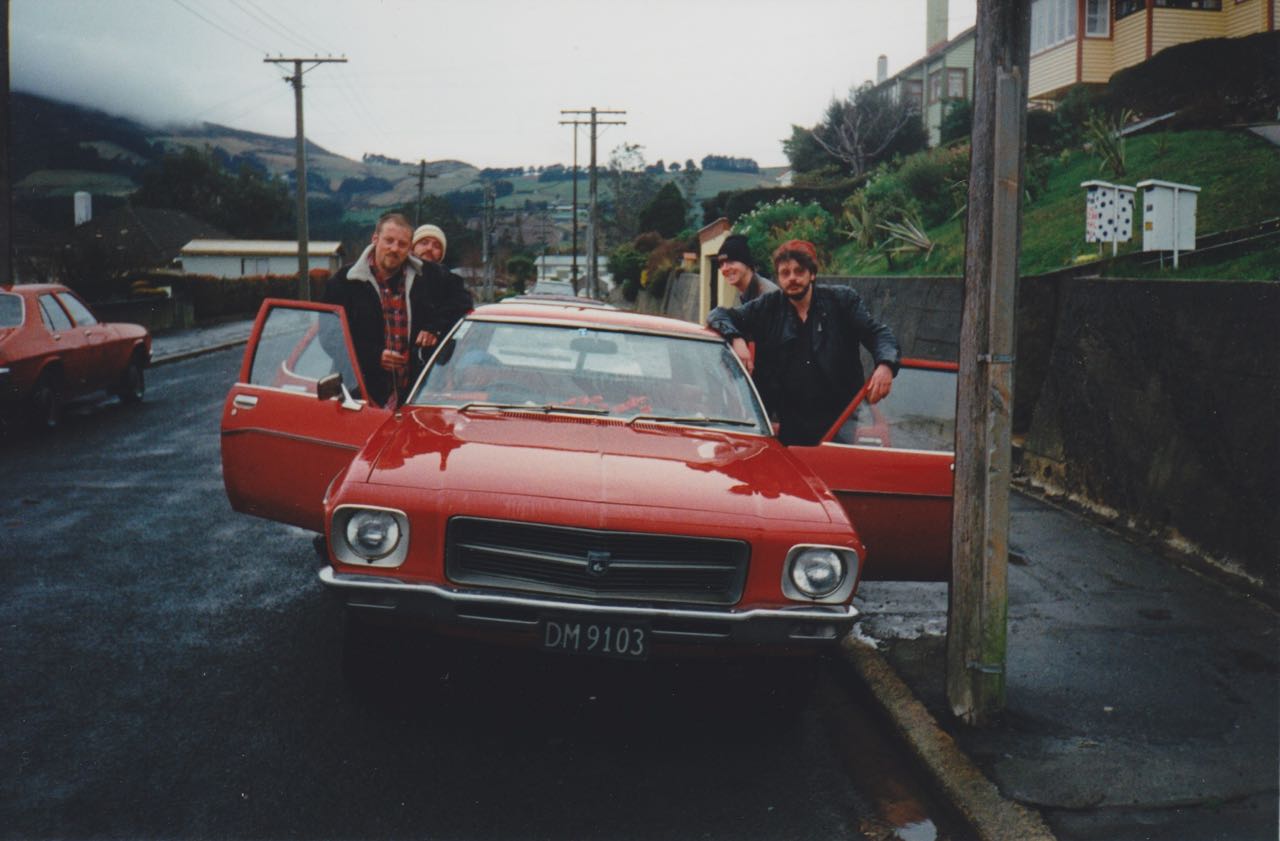
Tony Renouf: "Road trip to attend a comics workshop in Christchurch organised by the Funtime crew...L-R Me, The Steamer, Colin Andrews (dick), Morris Brown."

Emery: Where else were your cartoons featuring during the period Treacle was published?

Renouf: When Treacle was coming out I was also doing the strip thing in the Critic with some of the usual suspects from the pages of Treacle, Glenn Ross, Anthony Behrens, Paul Potiki, Morris Brown and (possibly) everybody's least favourite (but very talented) sponging, fuckwit - Colin Andrews can't say if I was contributing to anything else at the time. The weekly strip thing ate up a whole mess of time.
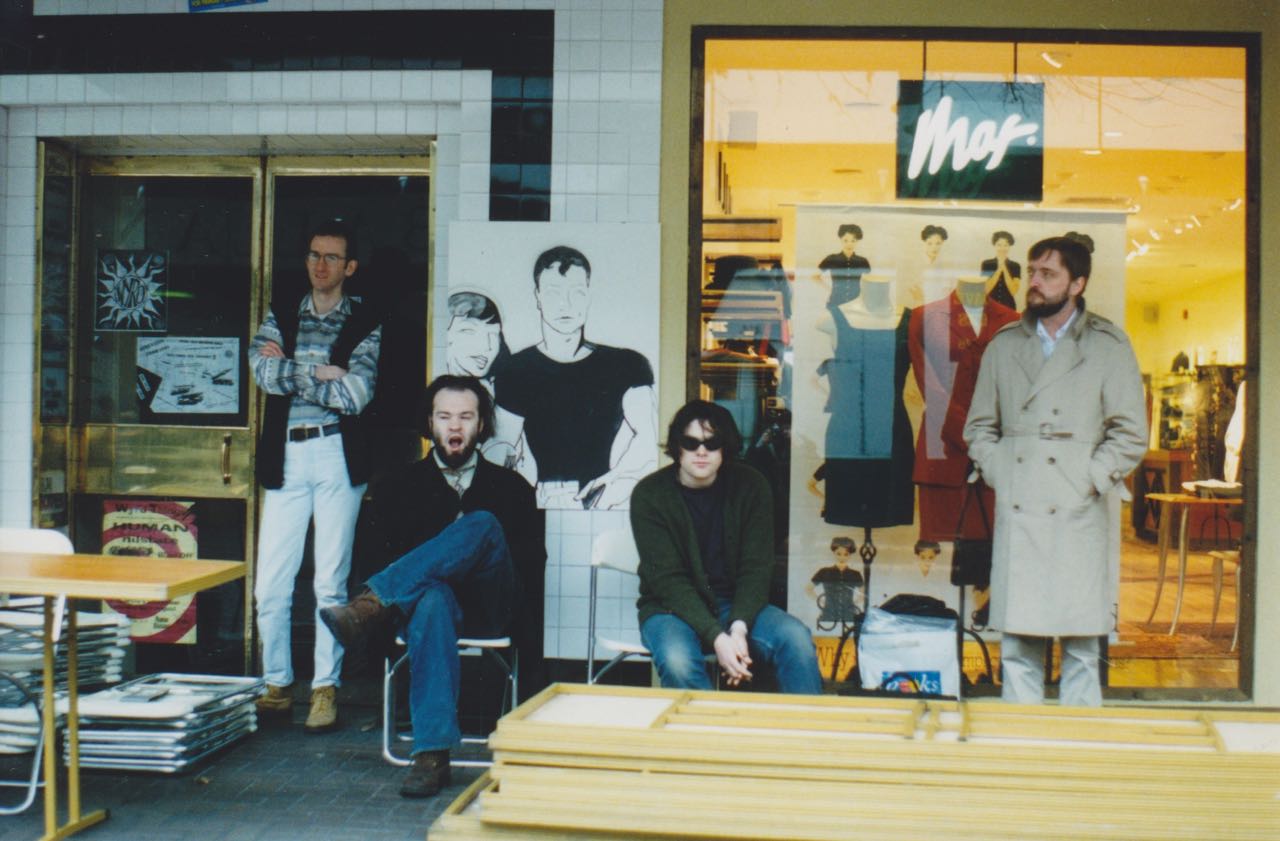
Tony Renouf: "Outside said Christchurch workshop...very early...very hung over...l-r wassaname from Christchurch, Ross Campbell, Glen Ross, The Steamer."

Scan 532.jpg

Glen Ross drawing in Christchurch

Ross Campbell drawing in Christchurch

Emery: Were you in touch with other cartoonists around the country during this period?

Renouf: Lotsa folk, I established, built & stocked the NZ comics shelf at Bag End Books. So I was was soliciting copies of everything I could get a hold of to keep it nice and full. So all the Razor crew, Ant Sang, Peter Johnston from Nightcaps...Um...the guy that did the anarchy/rat comics...wrapped in cellophane...er...um...(It's moments like these that I wish I hadn't chucked all my NZ comics into a box and donated them to the Hocken Library).

Emery: Do you recall what the print runs of Treacle were?

Renouf: Treacle print runs would have run to 200 - 250. But the lads on the presses always ran extras...and I mean a lot of extras!!! Silly really because we never sold more than 60 or 70 of the bloody things!!....(wish I'd kept them now...might make a few sales on the back of this article!! Call 'em collectable...double the cover price)... (retire in the Bahamas).

Emery: Did you get much feedback from readers during Treacle's lifespan?

Renouf: No feedback that I can recall. Usual, "Wow! This is great everyone will buy this!".... and plaudits within the local "industry" for the print quality/lay out etc... And I guess that's one reason I gave it away. Everyone liked it but not enough people could support it financially to make it viable Even stuff like the strips in Critic became a real chore because they started to complain about some of the content in a completely read out of context of the whole kinda way. $5 a week for 4 hrs work (and that didn't include the cut & paste of the art work to a page format or the running around to collect/deliver!!)....Fuck that shit for a game of soldiers!!

Emery: Where there any cartoonists that you weren't previously acquainted with that particularly impressed you from the Treacle contributors?

Renouf: No contributor stood out for me - I love them all. The good, the bad, the truly awful...They were expressing themselves in a format that I love and in some (most?!?) circumstances a format that I'd cajoled them into trying out! Fill the space or I'll hound you until you've filled the space.
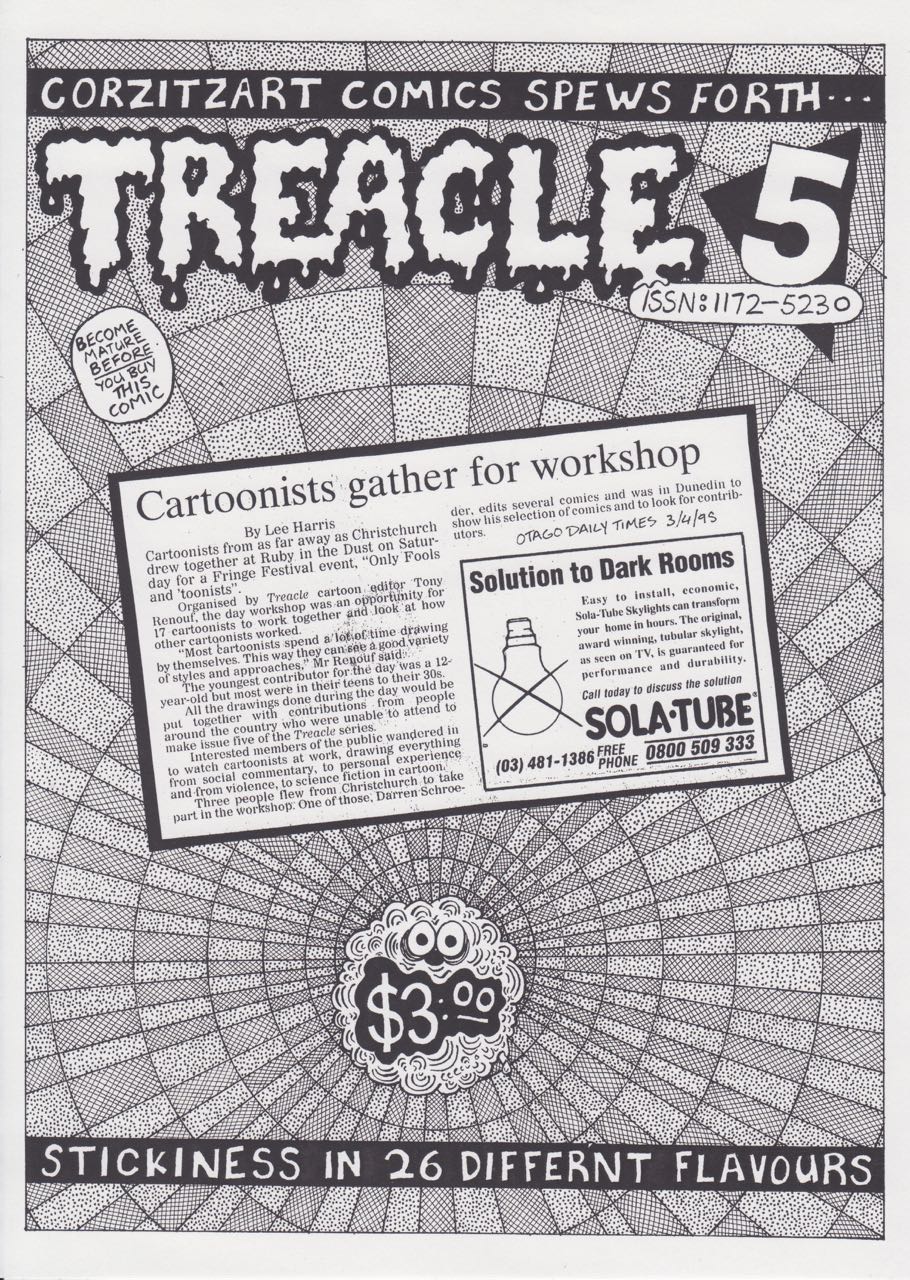
Treacle #5

Comicfest Noel Cook Exhibition Wellington Library

The Wellington Library Comicfest exhibition of Noel Cook's career from his early work at The Observer in Auckland to his latter work for the Children's Newspaper in England is in its last days. I hope to mount a more extensive showing of Noel's work sometime in the future but this gives a good taster of the art he created over fifty years of his life.

Murray Ball

by Jane Thompsen, originally appeared in School Journal, 1984, Part 4, number 2.

AT NINE O'CLOCK every morning, from Monday to Thursday, Murray Ball goes to a quiet place to think of ideas for his cartoons.

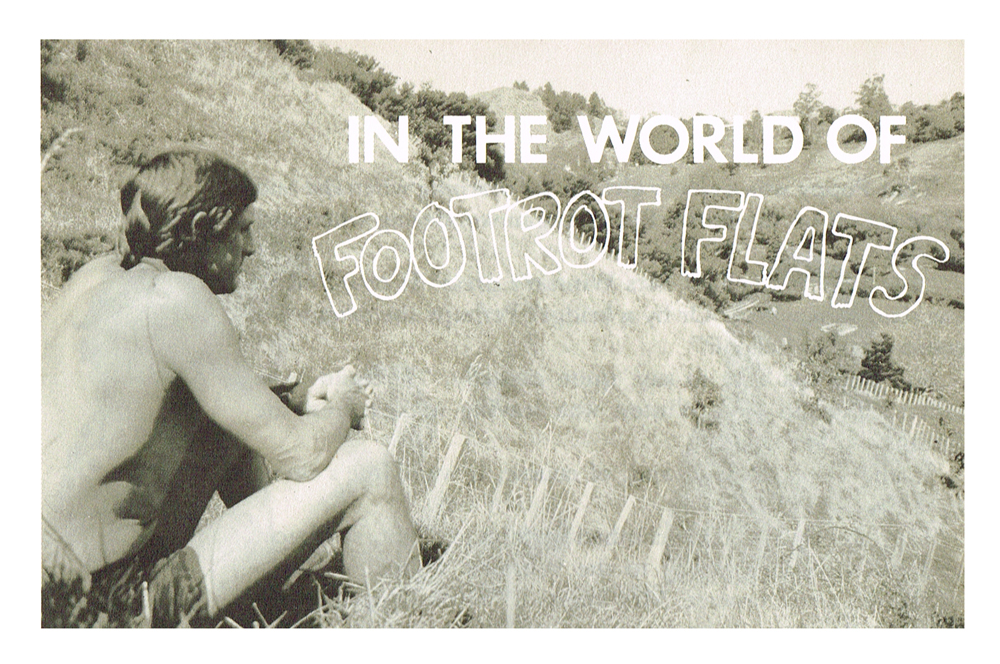
He might go to the top of a hill near his house, or under a tree in the garden. It has to be somewhere he won't be disturbed—because he needs to sit down, make himself comfortable, and go into a kind of a dream. It is almost like going through a door, shutting it behind him and finding himself in another world—the topsy-turvy world of Footrot Flats.

Many characters whom he knows very well live in that world. There's Wal, a farmer, thoughtless and dour and mean, who also has some good qualities—he would never do anything dishonest. There's his dog, who adores him and would do anything for him, although he tends to be rather greedy and jealous. There's Gooch, a much more sensitive farmer, who even tries to protect pests such as blackberry and possums. There's fussy Aunt Dolly, who tries to tell Wal what to do. There's a big fierce cat called Horse who terrifies many of the other characters. There are a cow, a goat, geese, a ram called Cecil, a corgi dog called Prince Charles, a girl called Pongo, a boy called Rangi, and many other characters.

They are all very real to Murray Ball, and so are the places where they live. He knows just what Wal's back door looks like, and his living room, and the kennel where the dog lives, and so on.

But there's something wrong with that world when Murray Ball goes into it every morning. He can't just lean over the fence and enjoy watching it, because it's all standing still—nothing's happening. And nothing will happen until he thinks something up.

He lets his mind wander around the possibilities. Perhaps something could happen to Prince Charles, the corgi. Perhaps it could be lambing time at Footrot Flats, and something could happen to do with that. . . . He tries to look at each possibility from all sides to see if he can get anything out of it.

It's hard work, trying to pull ideas out of the air. He says that when he begins, "It's the same sort of feeling as if you've got a pile of fence battens to carry up a hill. You know they've got to go up the hill. You know, once they're up there, they're going to be of use. But it's still an effort to bend down, and pick them up, and carry them up that hill."

Suddenly, the beginning of an idea will come into his head—it might be some words which seem funny, or a funny little picture. It is almost like an electric shock in his brain. However small it seems, he knows it will be enough to work on.

He keeps thinking about it, until he has worked out a whole episode, with a beginning, a middle and an end, and scribbles sketches in his notebook of what the characters will do and say.

Then he leaves that and tries to think of another idea. 

Each day he tries to think of three ideas. He has to produce six Footrot Flat strips a week, every week of the year. He has to keep his notebook as full of ideas as he can, to allow for times when he will be sick, on holiday, or for some other reason unable to work.

He also has to allow for those ideas that may not be good enough to use. After he has jotted down an idea during one of his morning visits to Footrot Flats, he doesn't look at it again for about a month. If it doesn't seem funny enough when he looks at it then, he will have to scrap it.

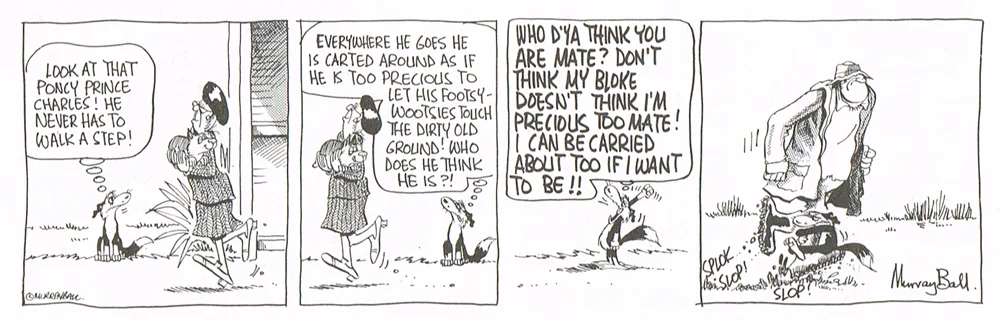
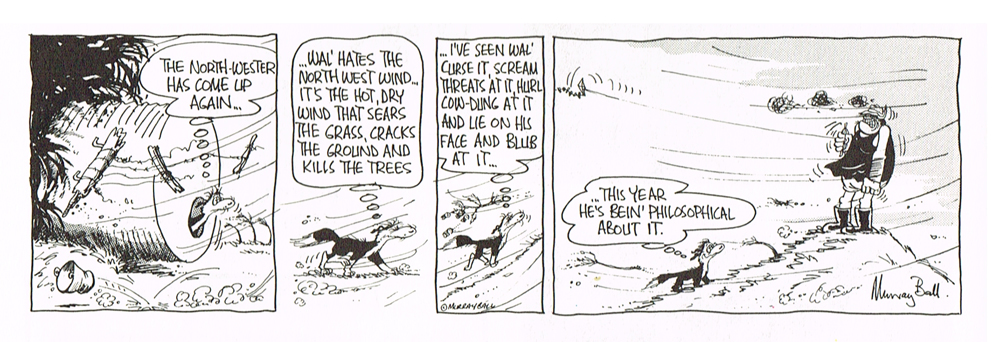
The beginning of the idea for this cartoon was a funny little picture which popped into Murray Ball's head—the dog being carried around on Wal's feet. It arose from a memory of being carried round on his father's feet when he was a boy. Then he had to work out why Wal would be carrying the dog around like this.

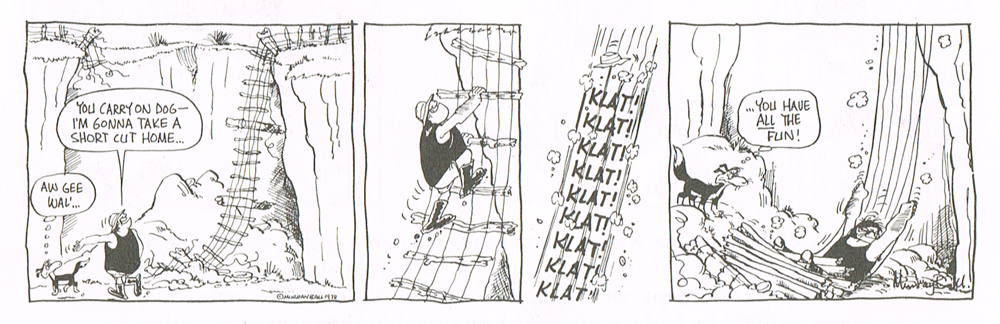
This cartoon began with Murray Ball remembering a fence which hung down over the bank on his cousin's farm. He always wondered what it would be like to climb it.

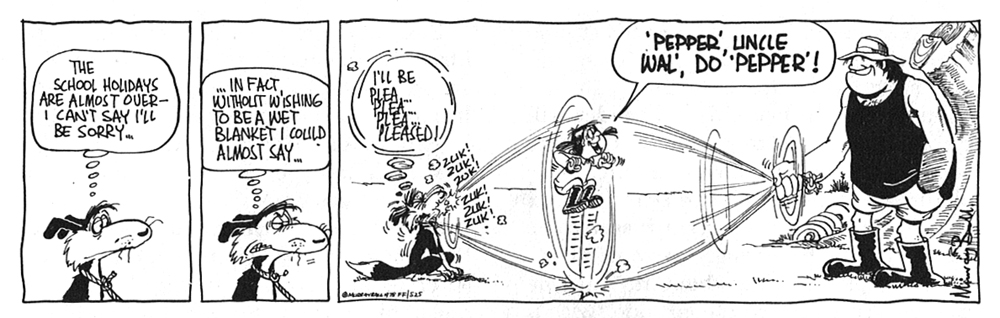
Murray Ball's small daughter was once thumped on the head when she was holding a skipping rope. The memory of what happened came back into Murray's mind during an ideas time, and he imagined the same thing happening to the dog.

Murray Ball learned this trick of attracting birds when he was at teachers' college. He wondered what would happen in Footrot Flats if a lot of birds were attracted in this way, and at once he thought of Horse.

The joke about the way the dog hates his name began accidentally. Murray hadn't decided on a name for the dog when the very first Footrot Flats strips were printed. By the time twelve strips had been printed he had decided on the name, but then it seemed rather hard to work it in casually. In the end he decided to keep the name a secret, and only he and Pam, his wife, know it. Now he quite often has jokes about the dog's secret name in his cartoons.

In the Workroom

Murray Ball's ideas time is the most important and creative part of his work. But the ideas time is fitted into a busy working day.

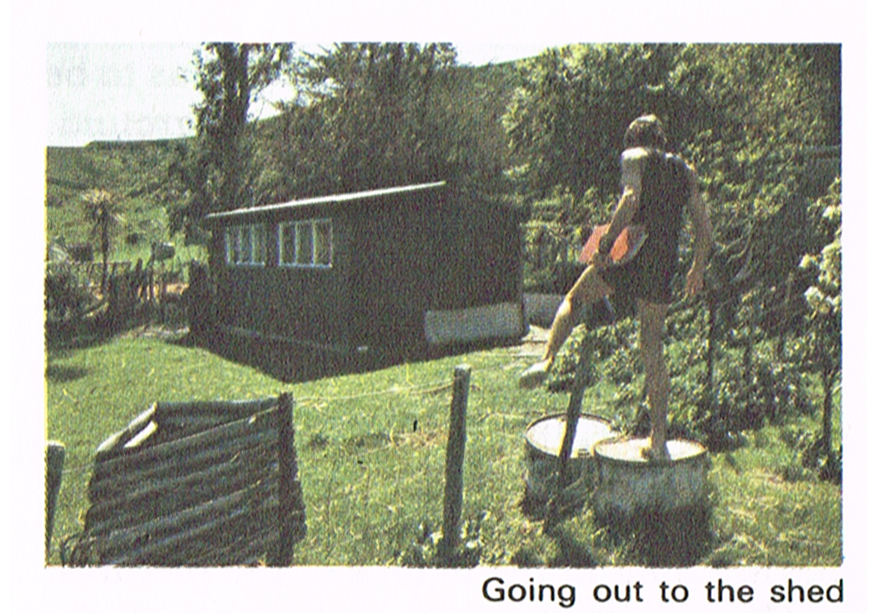
Every morning, Murray gets up at 4.30 and goes out to the shed where he works. He works best early in the day.

He gets out his ideas book, and turns to the oldest idea in it. He makes sure that he still thinks it's funny—about once every two or three weeks he has to scrap one. Then he begins turning that rough idea into a cartoon strip ready to be printed in the newspaper.

He takes a sheet of paper which has been specially cut to the right size by a local printer—twelve by forty-two centimetres.

Then he begins working out where the frames should be. This is a very important part of making a cartoon, and there are several things to think about.

Most of the action has to be going from left to right, because that's the way we read. The figures in each frame have to be placed so that they don't seem to be bumping into each other. There has to be enough room to show a little background, without cluttering the picture. Above all, there has to be enough room for the most important scene. Murray might have to sketch this out first to see how much room it will take. Then he will fit the other scenes into the space that's left.

When he has worked out roughly the size and content of each frame, he can begin filling in the details of the pictures.

He is very practised in drawing all the characters. They have basic shapes which he always uses. He also knows roughly how to get the expressions he wants: for happiness, the eyebrows are raised, and the corners of the mouth are up; for anger, the eyebrows tilt towards the nose, and the corners of the mouth turn down; for sadness, the corners of the mouth still turn down, but the eyebrows are tilted up in the middle.

Of course, to get the exact expressions he needs for a particular cartoon, he may have to try over and over again, and he won't know just where he should put a little extra dot or line until he has done it.

As he is drawing, Murray doesn't feel that he is in the world of Footrot Flats. He is in the real world, practising his craft. There is quite a lot of tension in trying to get the drawings right. But he doesn't need the absolute concentration that he needs when he's getting ideas. He thinks drawing the cartoons must be a bit like a potter making a pot. His brain doesn't have to be giving his hands orders all the time—his hands seem to know what they're doing.

While he is drawing, he listens to the radio—especially news programmes and interviews. Early in the morning, he likes to get shortwave programmes—the B.B.C., Radio Moscow, the Voice of America, Radio Vietnam.


After about three-quarters of an hour, he has finished pencilling in the drawings. They look quite rough. But he knows now just how he wants the finished cartoon to look.

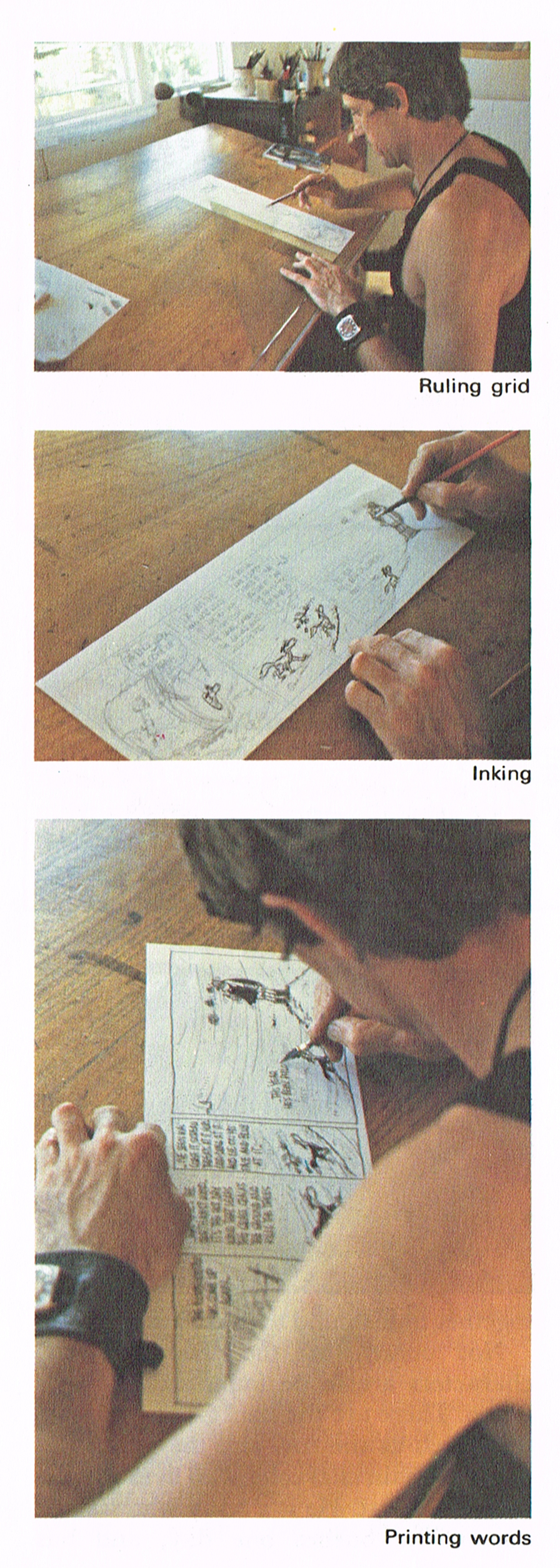
He rules a grid of lines over the cartoon, so everything will be straight, especially the lines of words.

Then he begins inking the cartoon in. In a way this is easier than the pencilling, because he knows just what he is doing. But in another way it is more difficult, because he doesn't want to make a mistake; this would be hard to alter so that it didn't show up on the finished cartoon. Luckily he hardly ever makes a mistake. The cartoon is almost always finished on the same piece of paper on which he began working out the frames.

The expressions on the characters' faces are the most important part of the cartoon, so Murray inks them in first with a fine nibbed pen. Then he inks in the other lines and the words with a variety of heavier pens. Large areas of black are filled in with a brush.

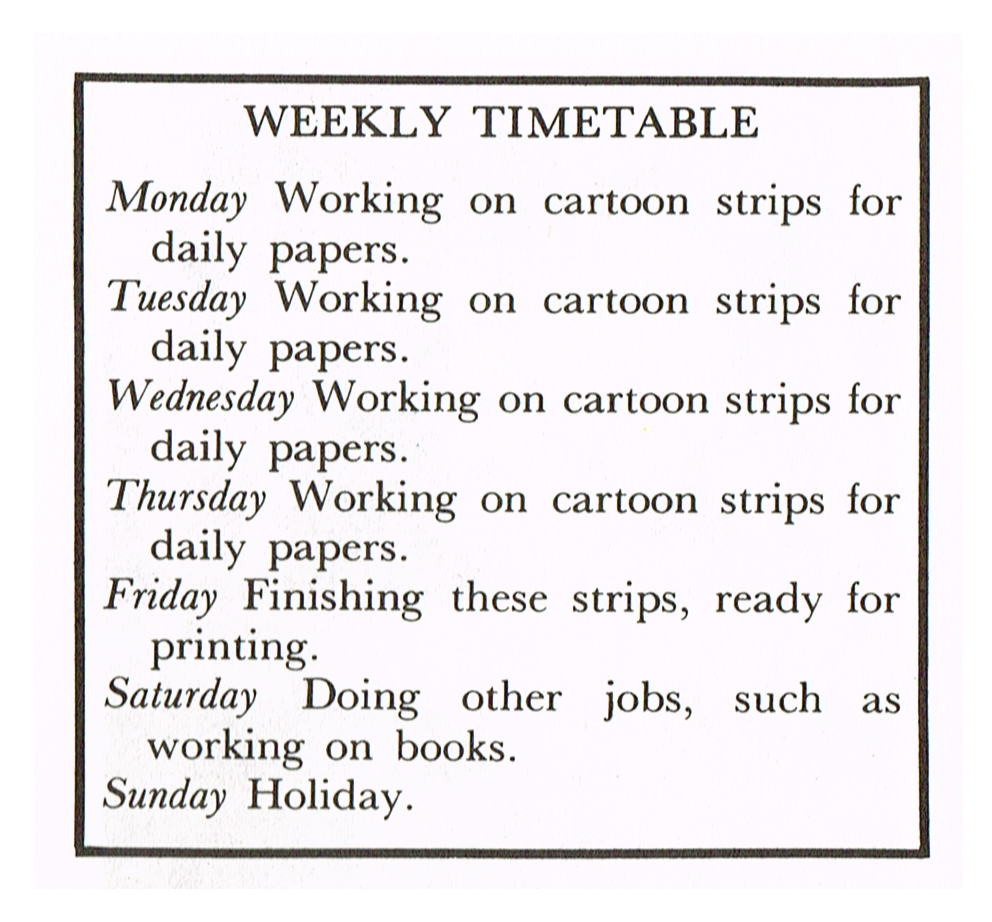
After about an hour and a half, he's finished all he will do to the cartoon that day. It still has pencil lines all over it, but he will tidy it up later in the week—on Thursday night and Friday morning.

In the meantime, Murray puts that cartoon aside, and starts on his second cartoon before breakfast. He wants to get three done, as well as having two times for ideas before he stops work at 1.30 p.m.

By then he is so tired, he just falls into bed and sleeps for a couple of hours. He won't wake up until his children come home from school.

Then the day is his own—for spending with the children, looking after his animals and trees, and doing whatever he wants to.

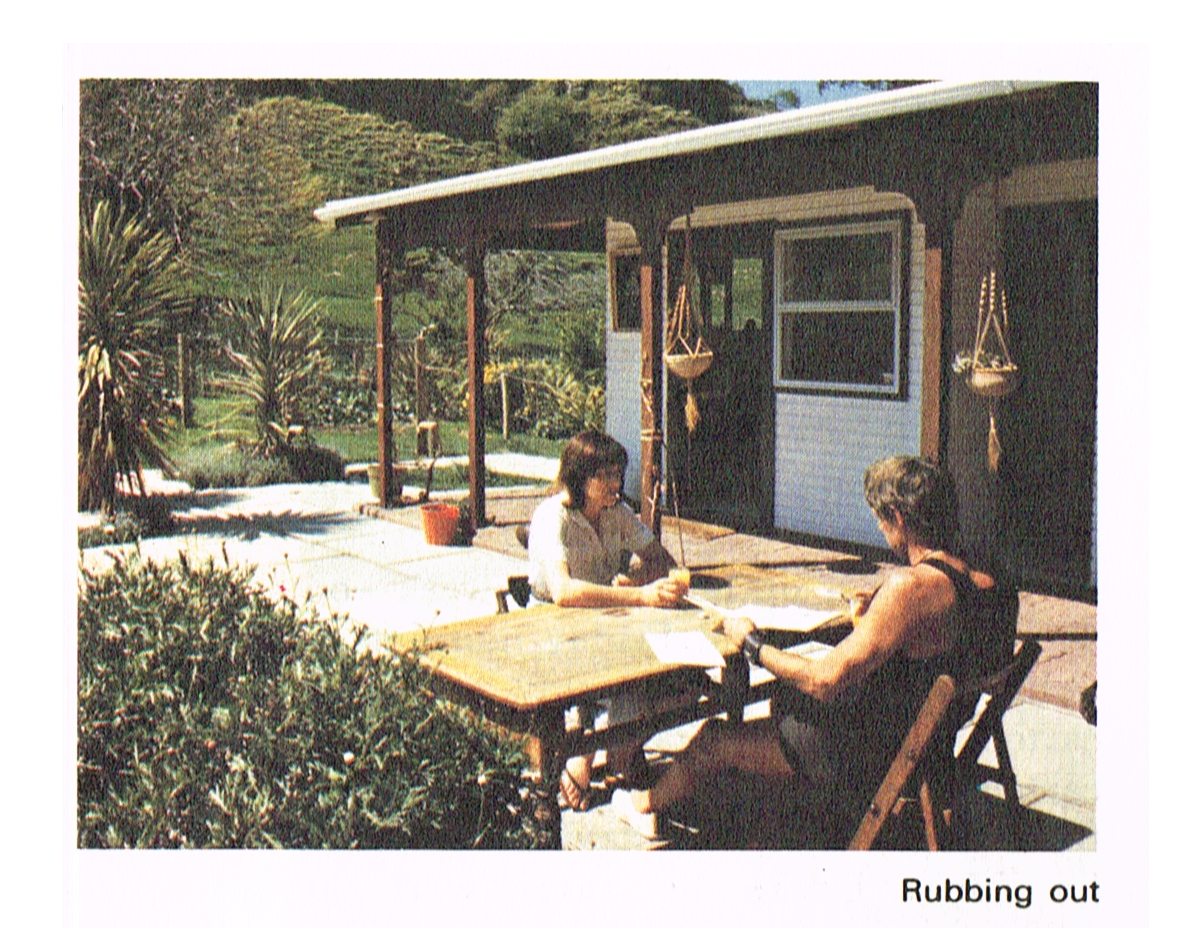
On Thursday night and Friday morning, he will rub out all the pencil lines on these cartoons, and the rest of the cartoons he's done that week. Pam, his wife, will check the words for spelling mistakes, and they will both make sure they can't see any other mistakes or gaps in the cartoons. Then all the cartoons will be finished and ready for the printer.

On the land

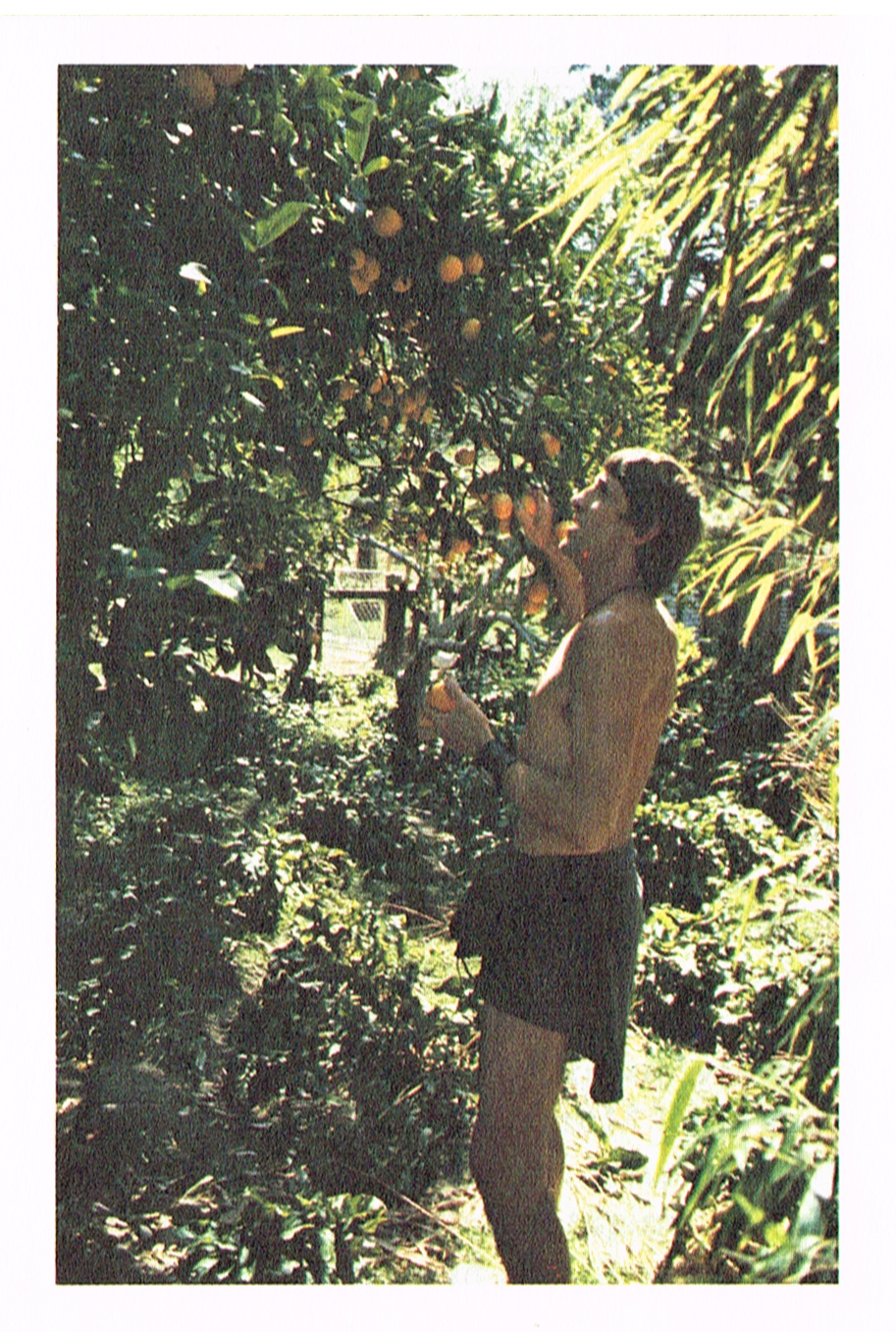
Murray spends most of his spare time, in the afternoons and on Sundays, working around his land. He has almost two hectares, a few kilometres out of Gisborne.

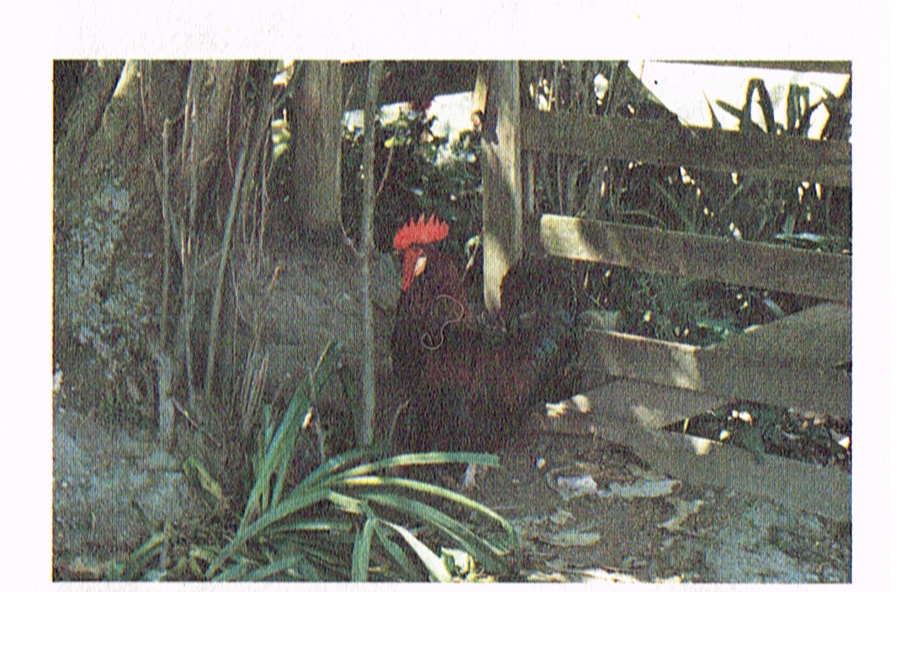
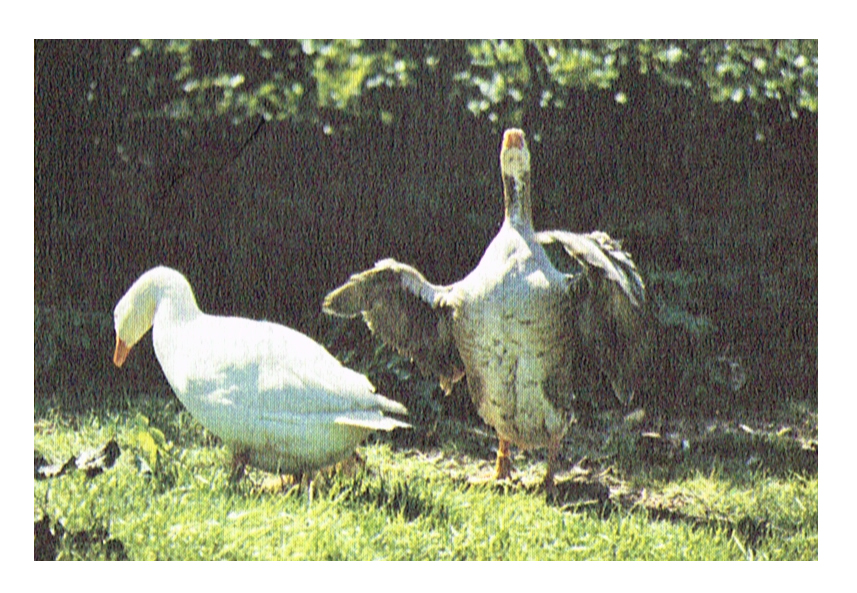
He has one cow, four ewes, a ram, four cats, twenty-four hens, two roosters, a bantam hen and some chickens, five geese, and half shares in two weaner pigs. He used to have a goat until it knocked him over and he decided it was time to sell it.

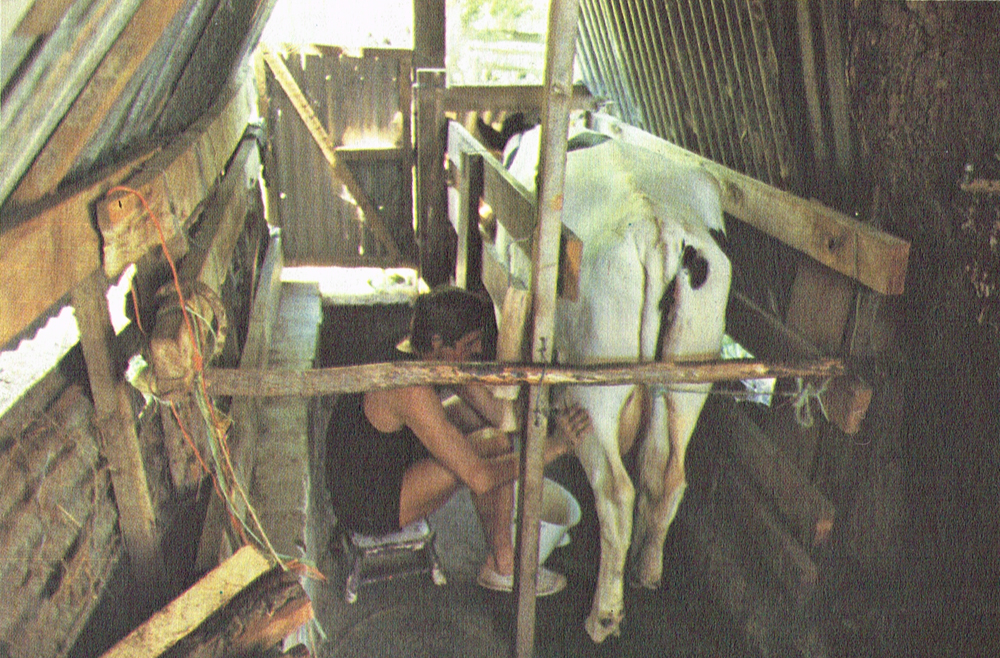
Murray's home is not Footrot Flats. He has put some parts of his place, such as the milking shed, into the cartoons. But other parts of the cartoons come from the farms of relatives and friends all over the North Island. He has put them together in his mind to make a new place.

Not many of the Footrot Flats characters are to be found at Murray's home. There are the background characters, such as the cow and the geese. But the only main character who lives there is Horse, the cat. He is a stray who stalked out of the bushes one day, and has dominated the other cats and most of the other animals ever since. ',"He's as big as a horse," said one of the children, and the name stuck.) Murray says Horse forced his way into the cartoon strip just as he forces his way in everywhere.

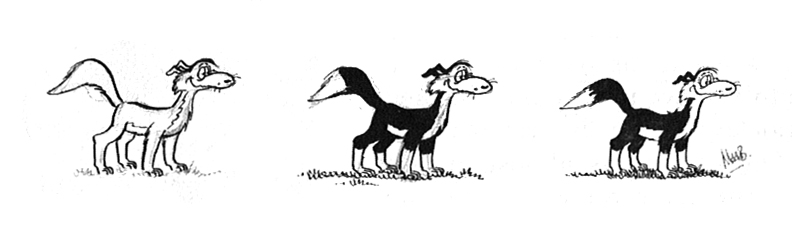
But there is no dog at Murray's house. Murray says the dog is like a part of himself, as most of the other characters of Footrot Flats are. The dog is like one of the best parts of himself, while Wal and Aunt Dolly have some of his worst qualities. The dog is also a bit like a dog Murray had for about fourteen years, from the time he was eleven. This dog was very clever, and used to climb trees, and open and close doors for Murray. And the dog is also like all New Zealand sheep dogs, which Murray thinks are amazing animals.

"They run about with their tongues hanging out and their eyes full of love for the farmer, and the farmer hardly ever looks at them. There is a strong bond between man and dog. But the dog shows his feelings for the man, and the man doesn't show his feelings for the dog. And yet the man is so dependent on the dog. If farming is the backbone of the country, the dog is the backbone of farming. They are superb animals."

Murray himself isn't like Wal in the way he regards his land and animals. He takes great joy in the animals and watching them grow. He says, "I can't ever get over the wonder of a cow. She could run you through with a horn—no trouble at all—but she just stands there while you take from her a bucket of milk, which will supply you with cream and butter and cheese and yoghurt. And she has a calf which she lets you take—all just for being allowed to stand there in your backyard and eat your grass."

That may sound a bit like Gooch. But if a cow happens to get through a fence, and into Murray's young nut trees, he will run after it and feel like killing it, just as Wal might.

The world of Footrot Flats and its characters are all figments of Murray Ball's imagination. But the fact that he lives in a place where the same sorts of things happen—lambing, and straying cows, and problems with fence posts—helps to keep the world of the cartoon strip alive and real. Everything that happens to Murray Ball enriches the world of Footrot Flats when he decides to visit it.

Photographs by Trevor Hyde

Copyright 2015 text Jane Thompsen, drawings Murray Ball, photographs Trevor Hyde.