Word Balloons: An Anzac Tale and The Anzac Legend

Revs11_0006-1(1).jpg

Australasian Comic reviews by Philip Bentley.

Australasian cartoonists and publishers interested in being reviewed contact Philip here.

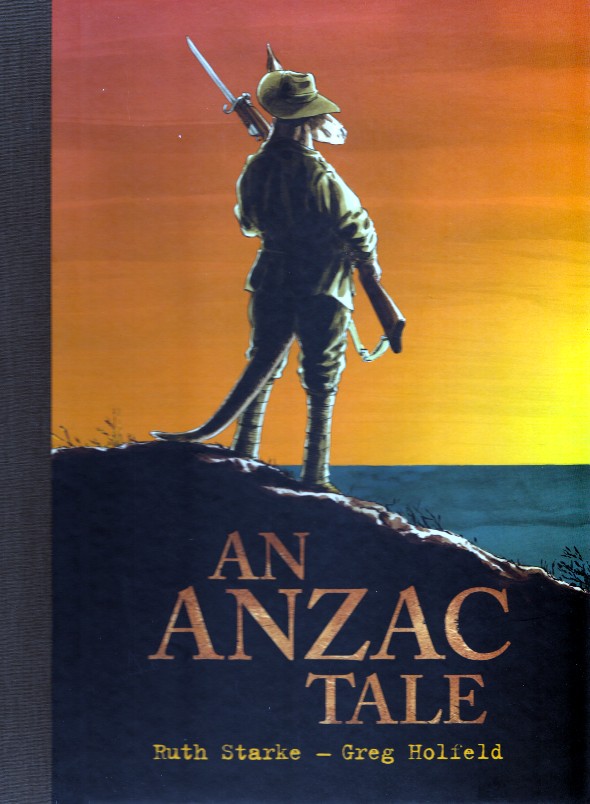
An Anzac Tale (Working Dog Press, 2013)

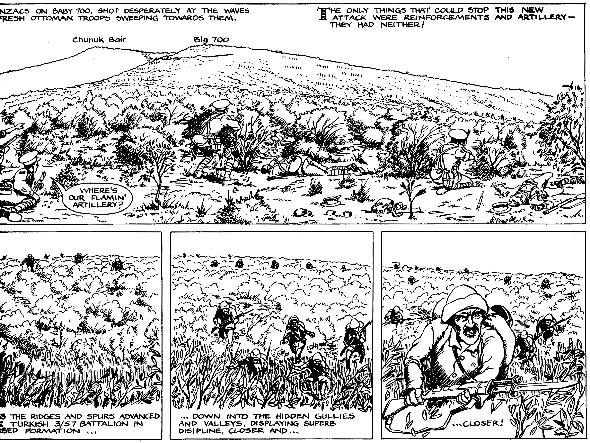
The Anzac Legend (Wotsleft Books, 2014)

Given the countdown to April 25, 2015 it is not surprising there has been a run of Gallipoli-related books of late. Comic creators have also heeded the call with these two works the first of what I believe to be a ‘gathering storm’.

An Anzac Tale, which came out in 2013, is by the Adelaide-based creative team of children’s author Ruth Starke and artist Greg Holfeld. They are also the team behind the Captain Congo adventures, of which there have been three Tintin-sized books since 2008. Tintin is a fair comparison as the good captain is a pre-WWII adventurer involved in similar sorts of scrapes – although there is a significant difference in that the captain is an anthropomorphic gorilla!

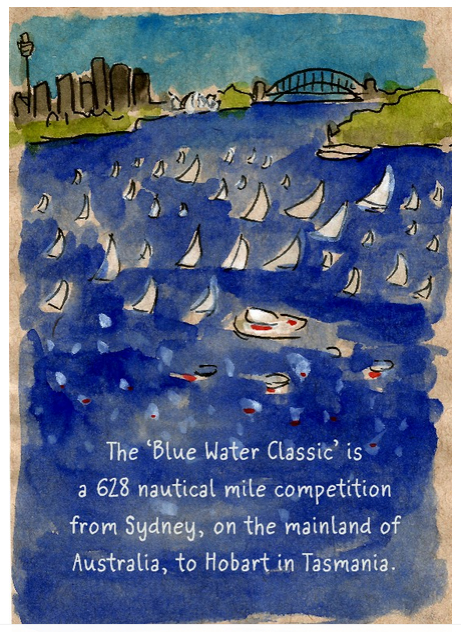
The anthropomorphic quality carriers over to An Anzac Tale where various Australian marsupials participate in the Anzac landing. As a children’s book it is of necessity a simplified affair, but that doesn’t prevent it from being engaging. Indeed one of its strengths is the emotional response it is able to summon up in the reader. Another is the artwork. Eschewing the flat colour of Captain Congo Holfeld here employs a lush wash effect that is both stylish and evocative, and adds much to the work’s appeal.

Dave Dye’s The Anzac Legend takes a different approach. A former soldier, Dye sets out to recreate and explain the first phase (10 days) of the Gallipoli campaign using copious research that included two visits to the site. At around 200pp it doesn’t scrimp on detail, which may be as much a hindrance as help for the general reader. In and of itself this isn’t a problem given the position the campaign, rightly or wrongly, occupies in the national consciousness, but the way in which the story is told doesn’t do itself any favours.

As a narrative there is a procedural quality to the text that tends to render its voice into something of a monotone. Further, the lack of any breaks, such as chapters or subheadings, gives the reader little opportunity to pause from the unrelenting surge forward. To add to this, Dye has chosen to follow, in parallel, the movements of 20 odd detachments of soldiers as they edged their way inland. Whilst a not unreasonable strategy it does leave the reader floundering to remember the previous actions of so many disparate groups. Dye states that he feels it gives an idea of the chaotic nature of the early stages of the conflict and indeed it does, but at the expense of overall clarity.

On the plus side is the artwork which displays an impressive use of line work and a style rooted in artists and cartoonists of the mid-twentieth century. Despite its more realistic look there still seems to be echoes of great Australian cartoonists such as Carl Lyon and Stan Cross and even illustrators as far back as Norman Lindsay. Whilst it may be too old-fashioned for some it seems to me to be an appropriate style for the subject matter.

So while the end results are mixed it is still an impressive work for someone who hadn’t previously produced a comic. And it is true that even with the failings noted above by the end of the book I certainly had a far better understanding of the Gallipoli experience, if not a totally clear picture. If you are military minded and enjoy a fine-detailed look at a specific battle you may well enjoy it. Someone looking for a more basic overview may be better elsewhere.
Trawling for Comic Treasure

IMG_0088(1).JPG

Above: 'Vintage' Jinty & Penny comics, only $10 each! These were 40 cents each when they sold new in the 1980's and gosh that's about what anyone would pay for them now! Lots of lovely European and UK artwork in these, and some of my fave writers from the IPC's boys comics division as well as their juvenile comics.

In common with many other comic readers rapidly approaching 'middle-age-ness' I like to trawl second hand book shops and markets to pick up old cheap comics for entertainment and blog research. As an irregular feature I'll share a few things on the Pikitia blog, pics from this post are from the Camberwell markets in Melbourne 28 Dec 2014.

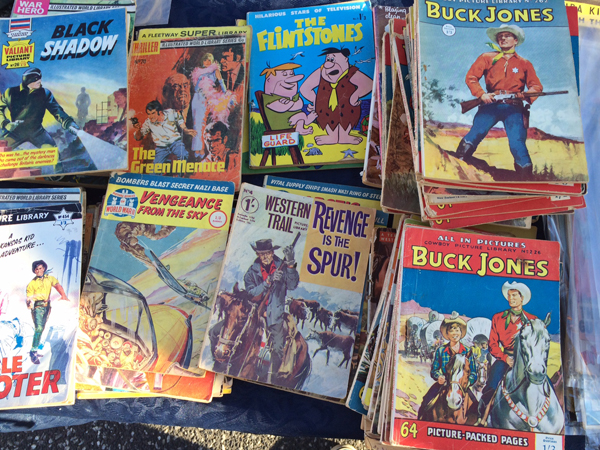
UK digest comics, all $2 - $4 each. if I remember correctly the western series Buck Jones and others by Amalgamated Press were created as standard size comics in England for the Australian market and then reformatted for digests in the UK.

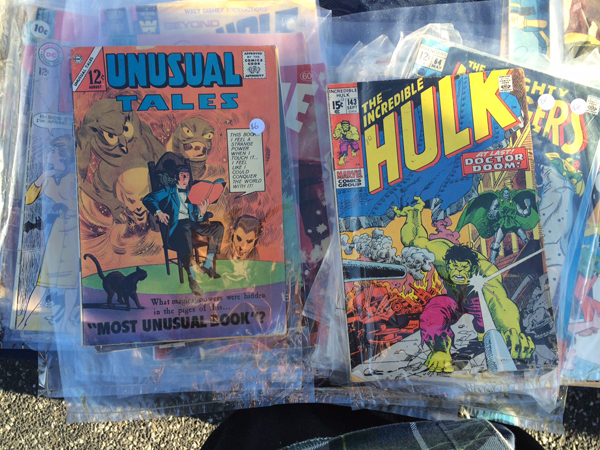
These days I have a ridiculous obsession with Charlton Comics, I'd buy any title for a dollar or two. Chances are if it's a horror or Sci-Fi title it will feature something in there by Steve Ditko. $6 is a bit much though. Is that Herbe Trimpe Hulk? I can't tell. I fondly remember buying Hulk from that era off the spinner rack in the late seventies.

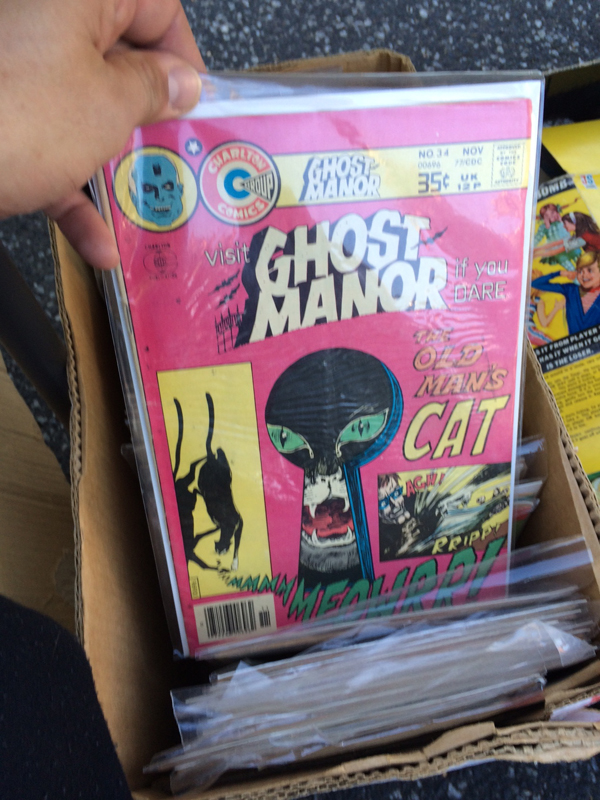
More delicious over-priced Charlton comics.

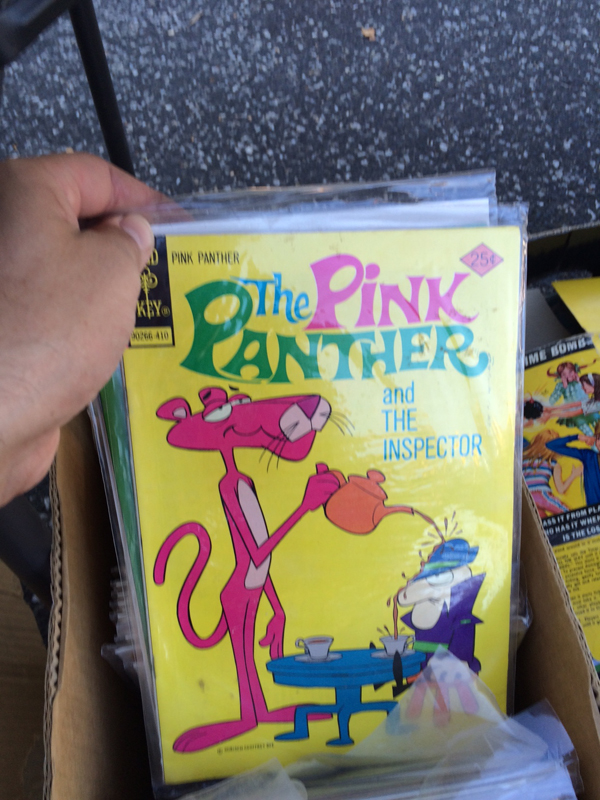
Will we get deluxe hardcover reprints of Gold Key humour titles? Probably not. Gold key comics are an important part of any comic reader's diet.

Newton Comic reprints of Marvel Comics from the 1970's (I think?) Comics historian extraordinaire Daniel Best has recently completed his exhaustive history of Newton Comics, get a copy of the ebook here.

What I bought: I can't help buying any IPC/Fleetway Holiday Specials for a dollar each. War, Battle, and Suspense holiday special digests are hundreds of pages of chiefly journeyman artists but good fun reading for a couple clams apiece, and on the far left a couple reprints of classic New Zealand novels to remind me of the motherland.

Paper Trail

Claude.jpg

Roger Langridge writes about the year to come.

All Star Comics in Melbourne are my LCS, happy to see them relocating to a bigger main street premises at,  ground level, 53 Queen Street in 2015. The Eisner winning All Star are a great example of comics retailing done right and well worth seeking out if you are visiting Melbourne.

Comicoz announce an ambitious coffee table anthology of Australian cartoonists for 2015. (picture possibly not relevant but it was handy.)

Catching up on 2014 links: AV Club interview Simon Hanselmann.

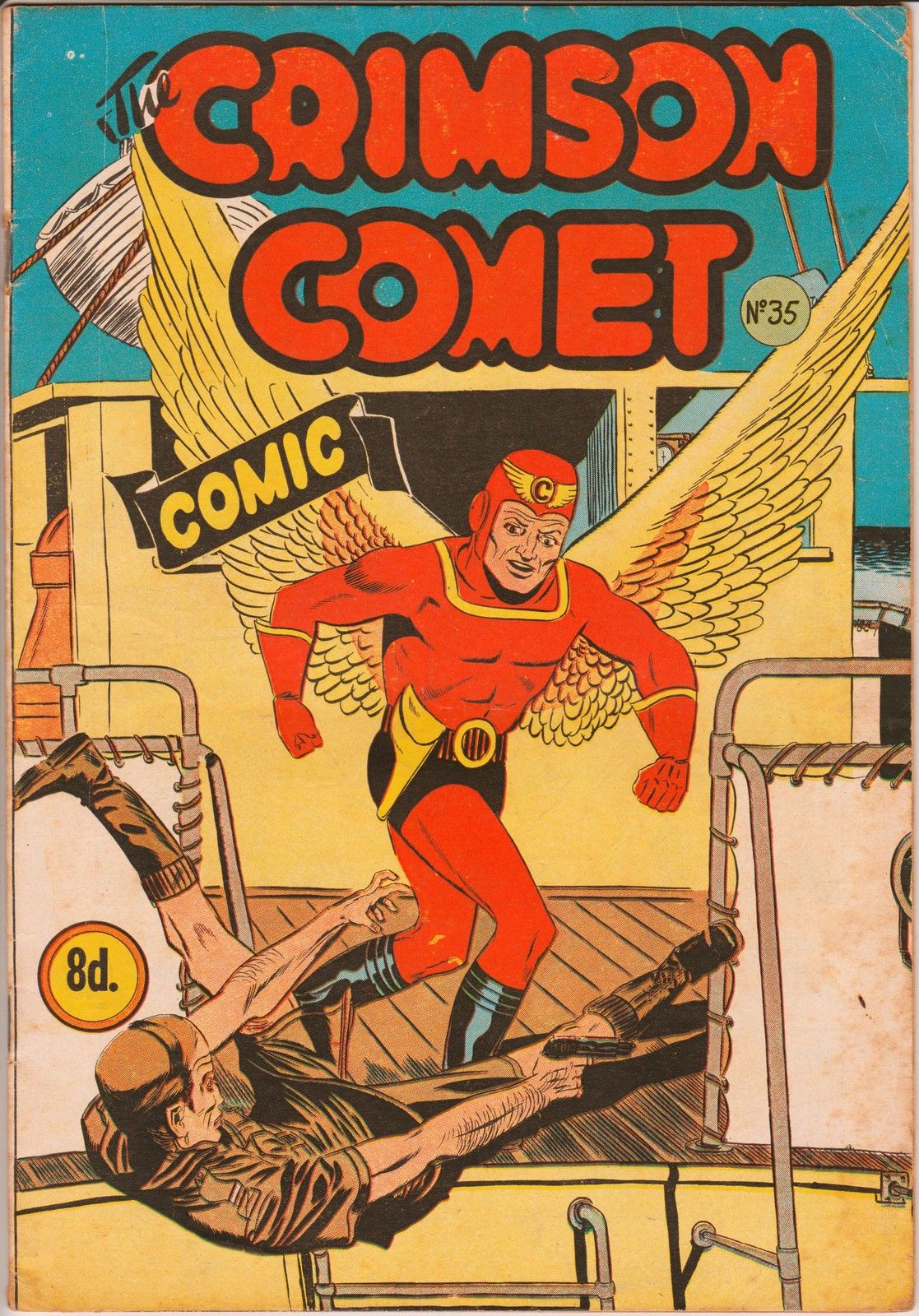
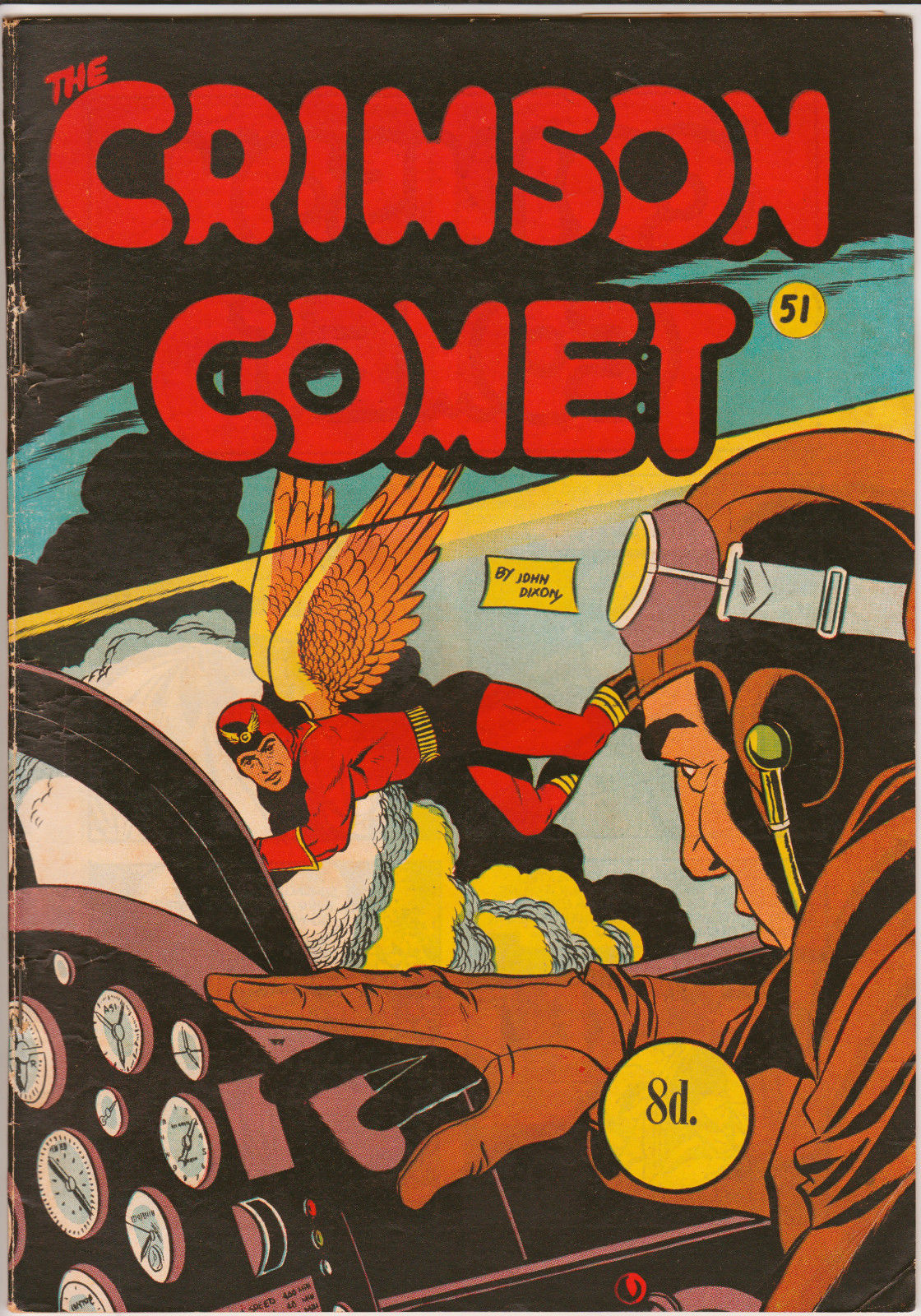
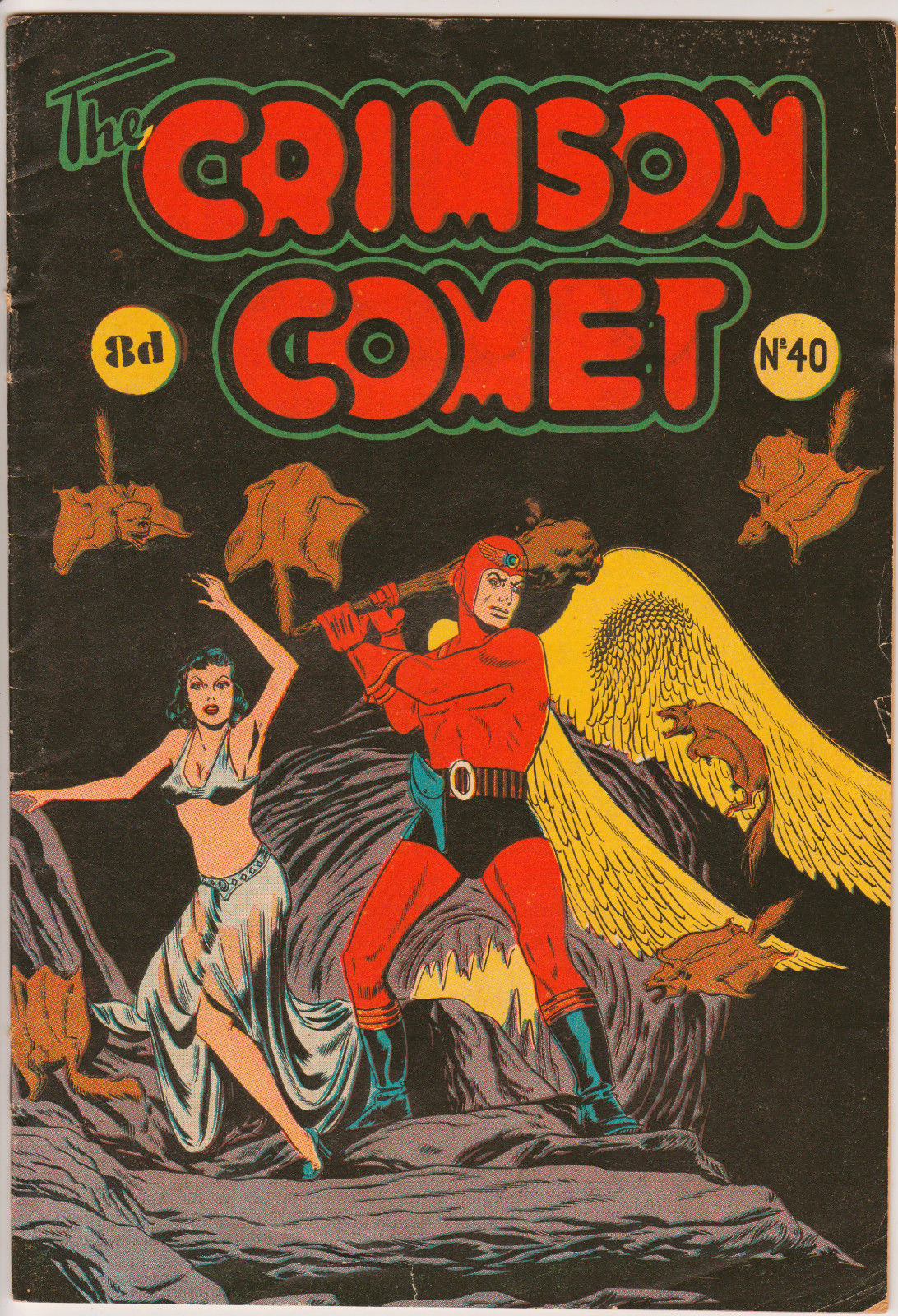
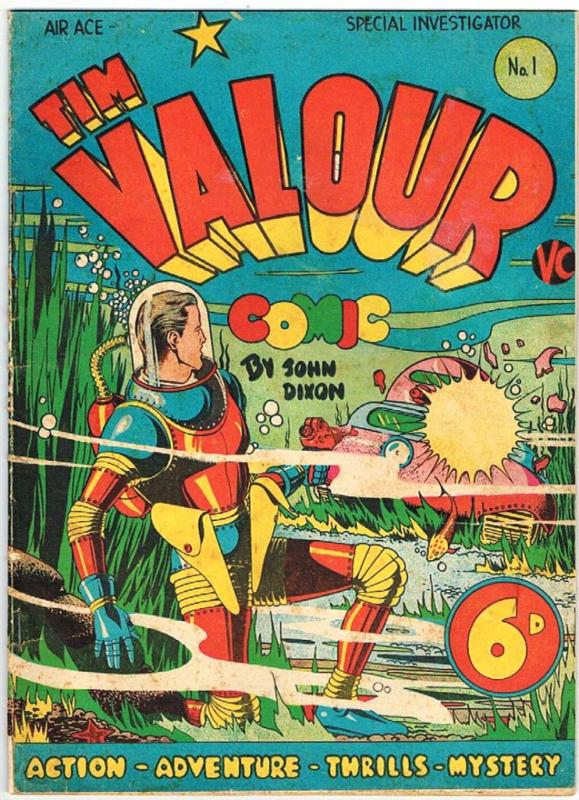
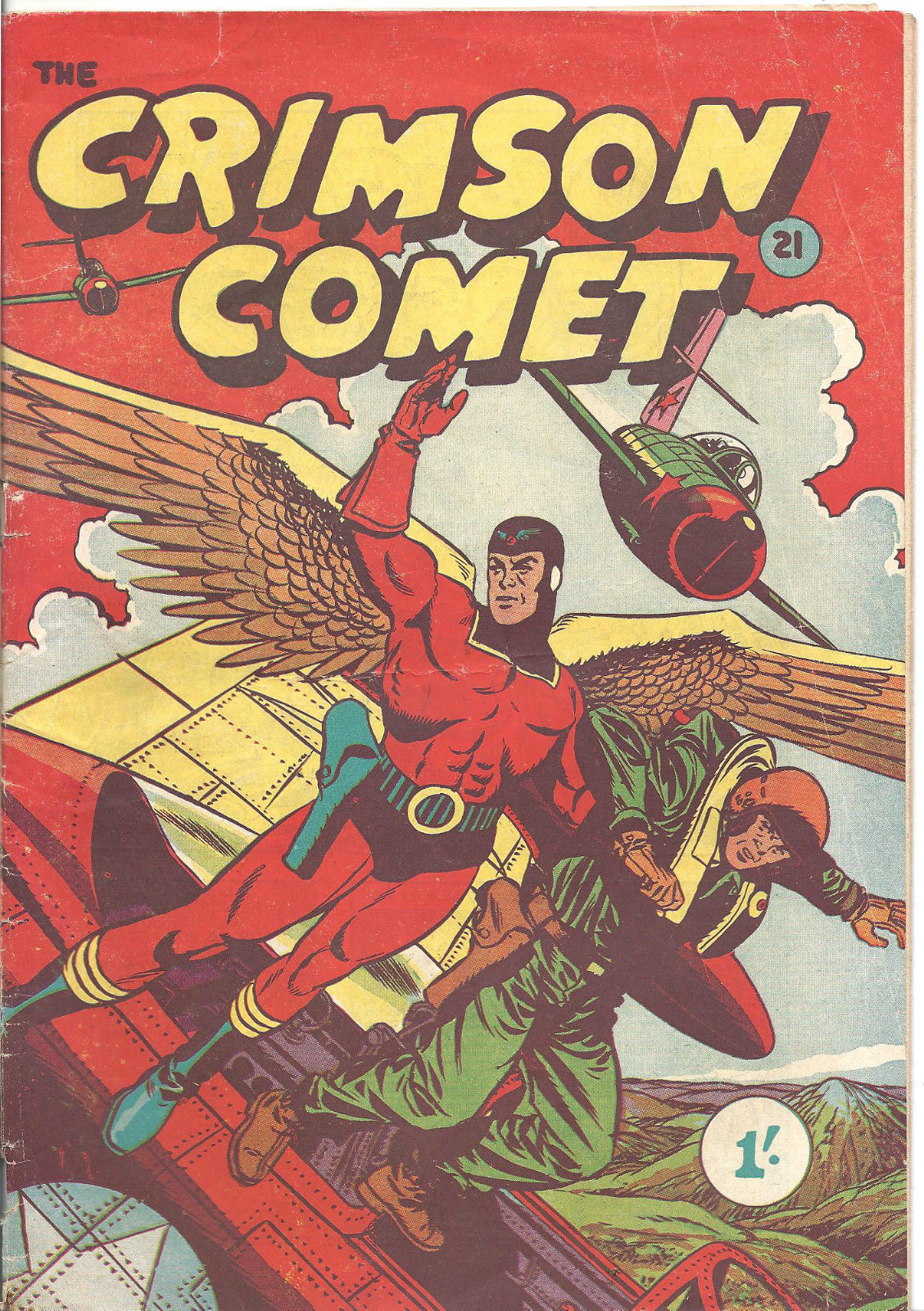
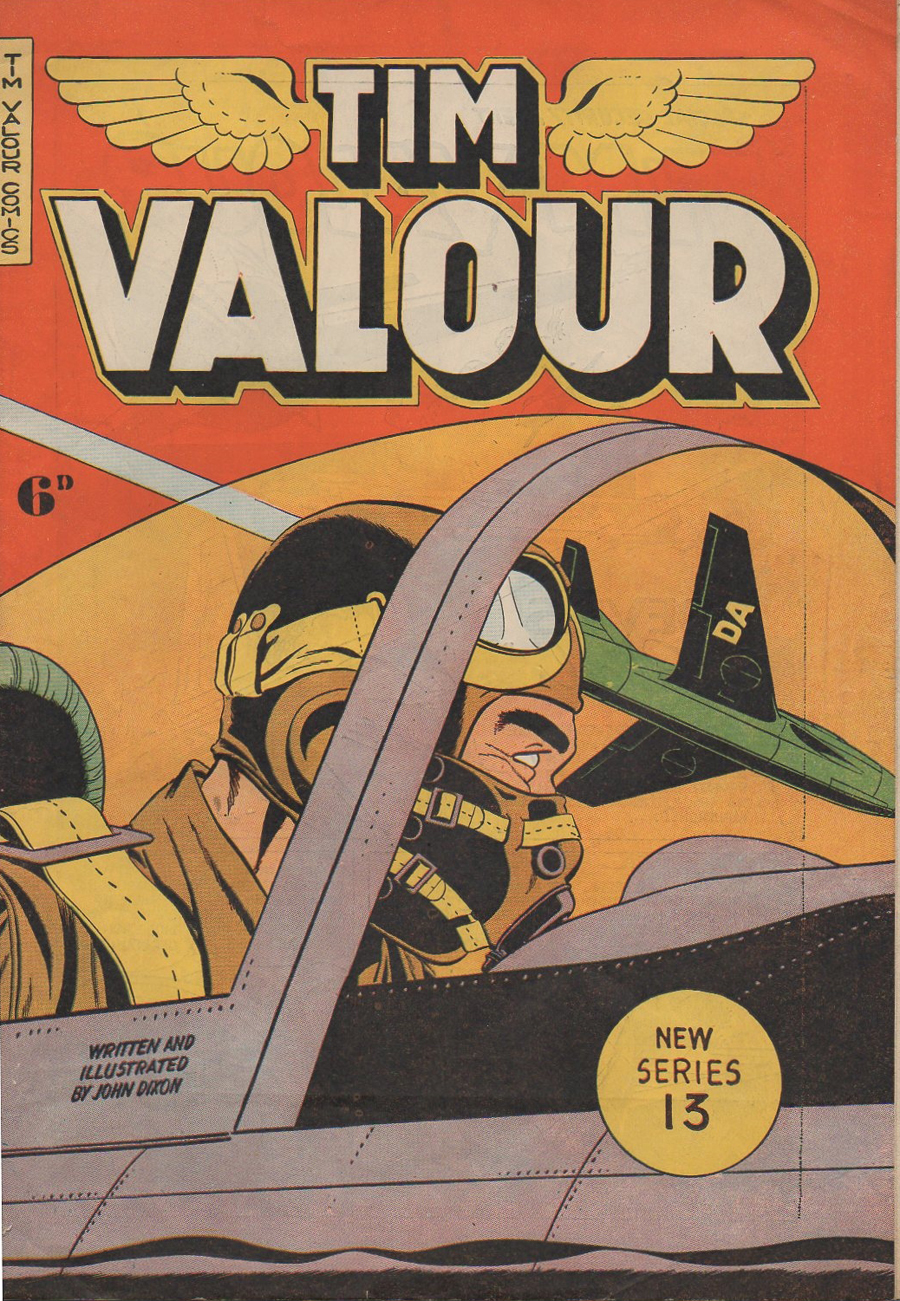
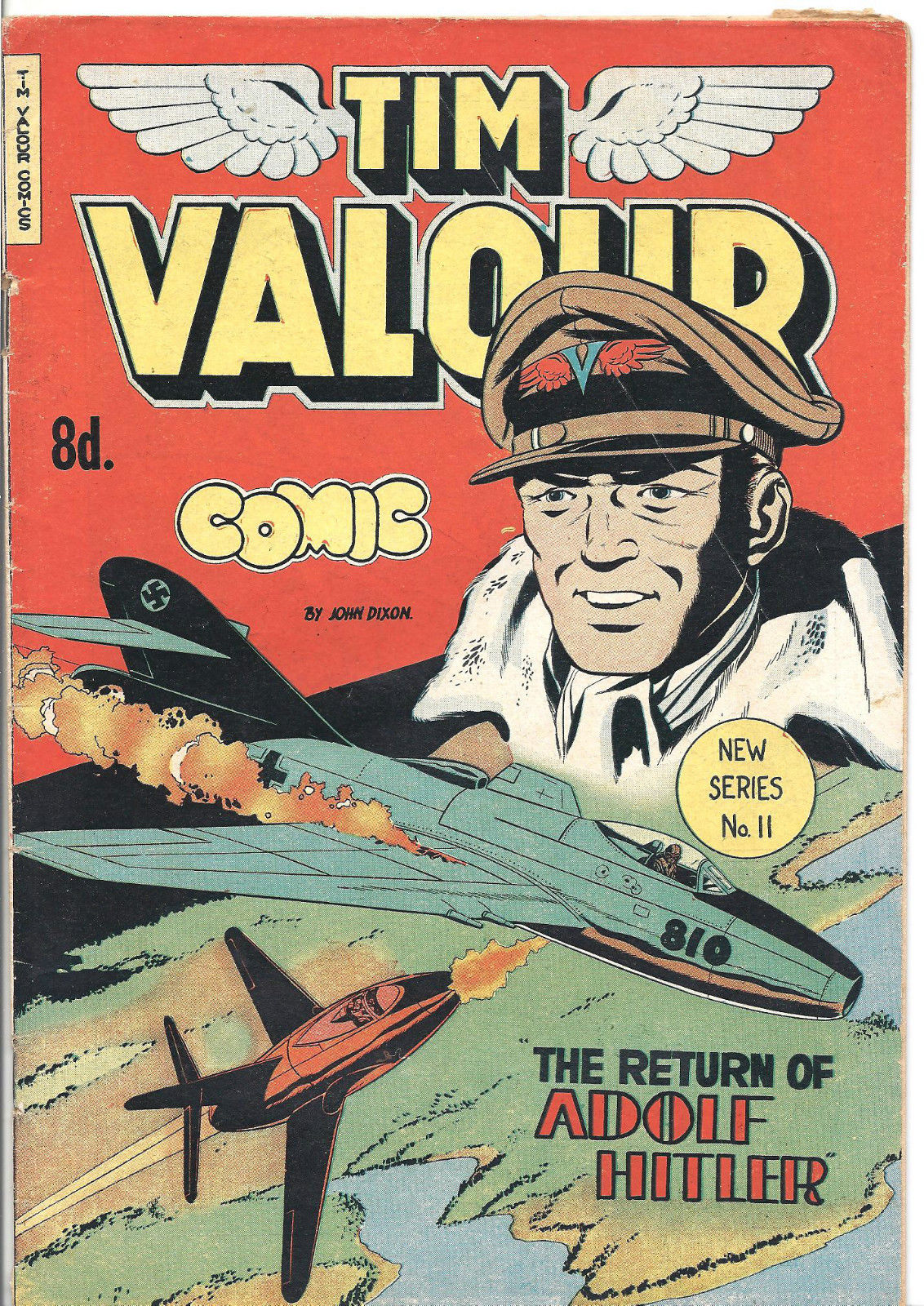
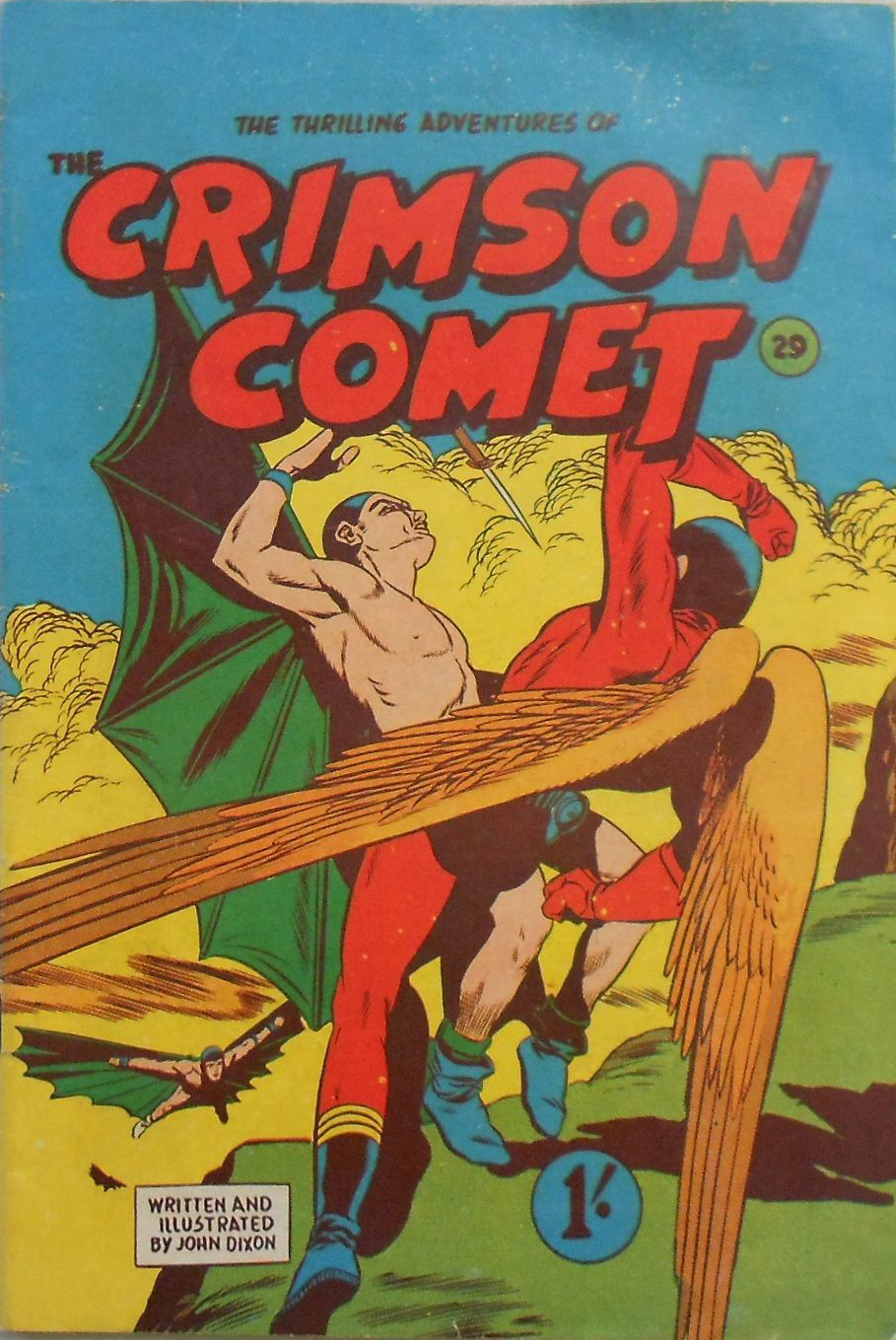
Above: Examples of John Dixon's Crimson Comet comics from the 1940's. I mentioned it yesterday but as an excuse to run some more lovely John Dixon art from yesteryear: Nat Karmichael via Comicoz recently shared the news of veteran Australian cartoonist John Dixon entering into palliative care in his Californian home. Nat has suggested any fans of Dixon or Australian comics in general to send well wishing cards to Dixon via Comicoz.

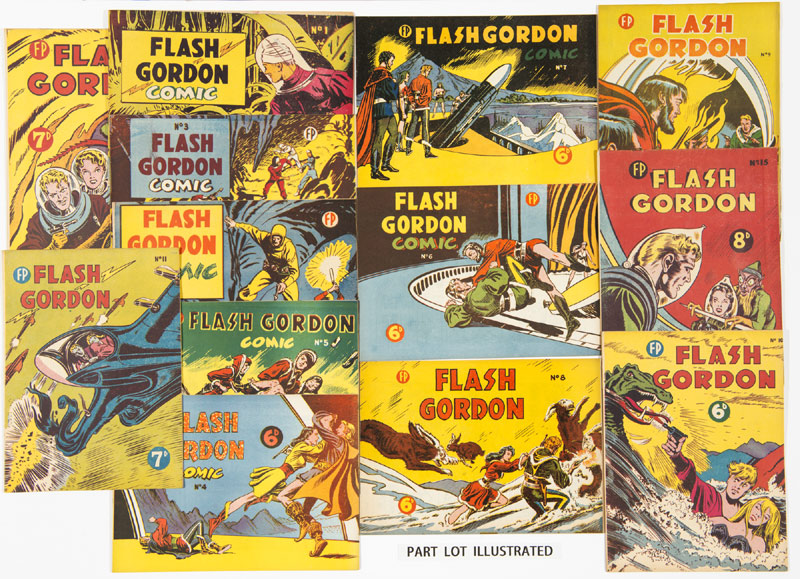
Hey look at these New Zealand editions of Flash Gordon comics that I couldn't afford to bid on.

Kelly Sheehan reviews Nothing Fits by Mary Tanblyn and Alex McCrone.

John Dixon Cover Gallery

Nat Karmichael recently posted on ComicOZ about veteran Australian cartoonist John Dixon entering into palliative care in his Californian home. Nat encourages anyone to send a well-wishing card or message to John to get in contact with him and he'll pass them along. Further details at ComicOZ. Dixon's career spanned from the 1940's in Australia until the 90's where he worked in American comics, with his last work appearing in a Swedish series of Agent Corrigan comics in the early 2000's. Below is a small sample of the large quantity of Dixon's output during the golden age of Australian comics during the 1940's- 1950's.

tumblr_m9lzt5RA211rakkjko1_400.jpg

2014 in Review: Anthony Woodward

(Ed's Note:  A last minute 2014 in Review, new posts about other things start tomorrow.)

What have been your personal cartooning/comics highlights of 2014?
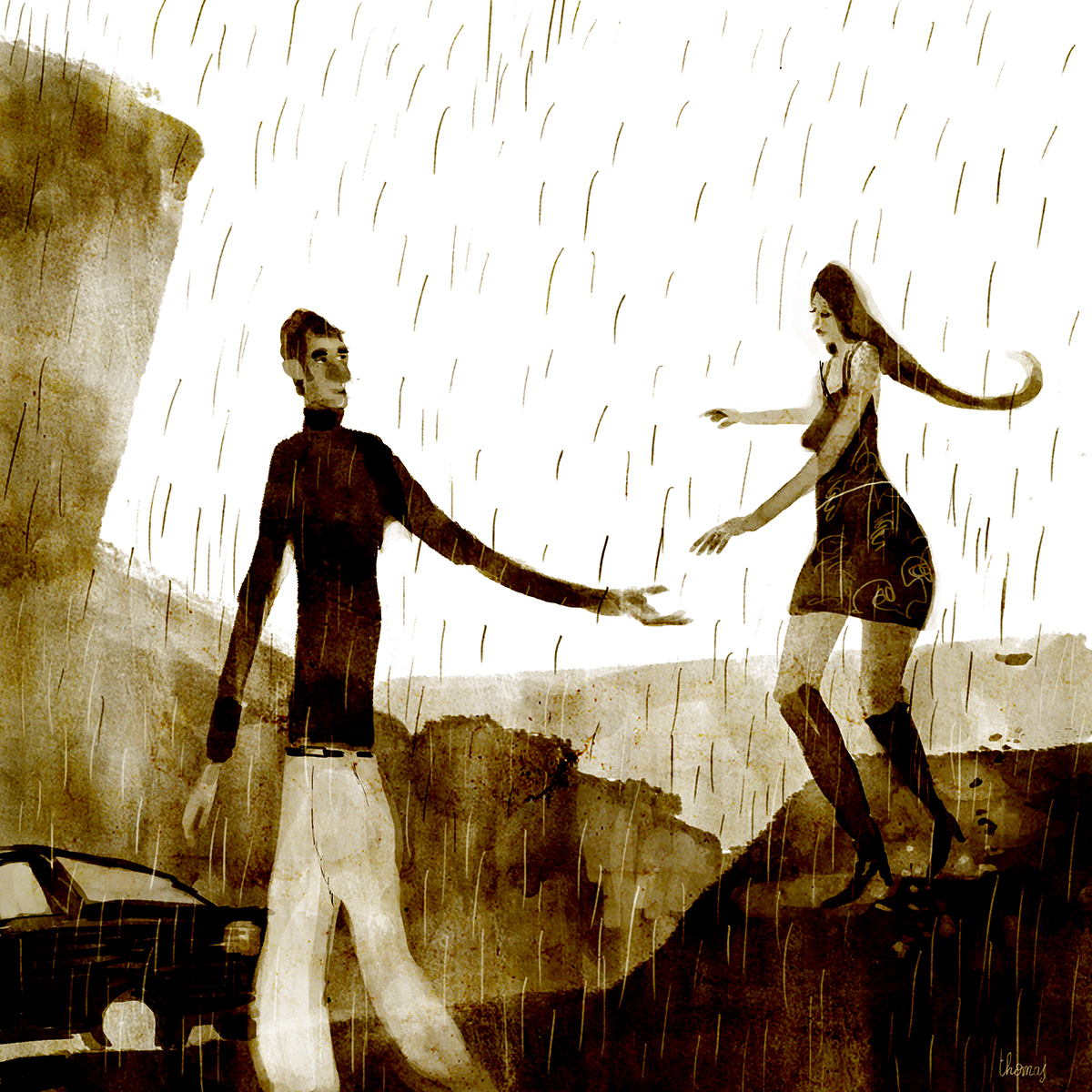
I’ve started using a nib to ink with again after mainly focusing on using a tech pen for the past 10 or so years. It’s one of those things that only perhaps only artists worry about, for most people it probably looks the same if I use a pen or a nib. But it does feel like a major change to me and something I’ve been working up to for the last couple of finished  comics I’ve made. Every now and then I feel comfortable in my own drawing skin so to speak, which is also a new feeling for me, or should I say something I haven’t felt since I started art school, and it disappeared sometime after art school. It may only be 20-30% of the time that I get this kind of clarity of my creative direction, but it’s enough to make me feel happy about continuing to try and do the best work I can.

What are some of the comics you've enjoyed in 2014?
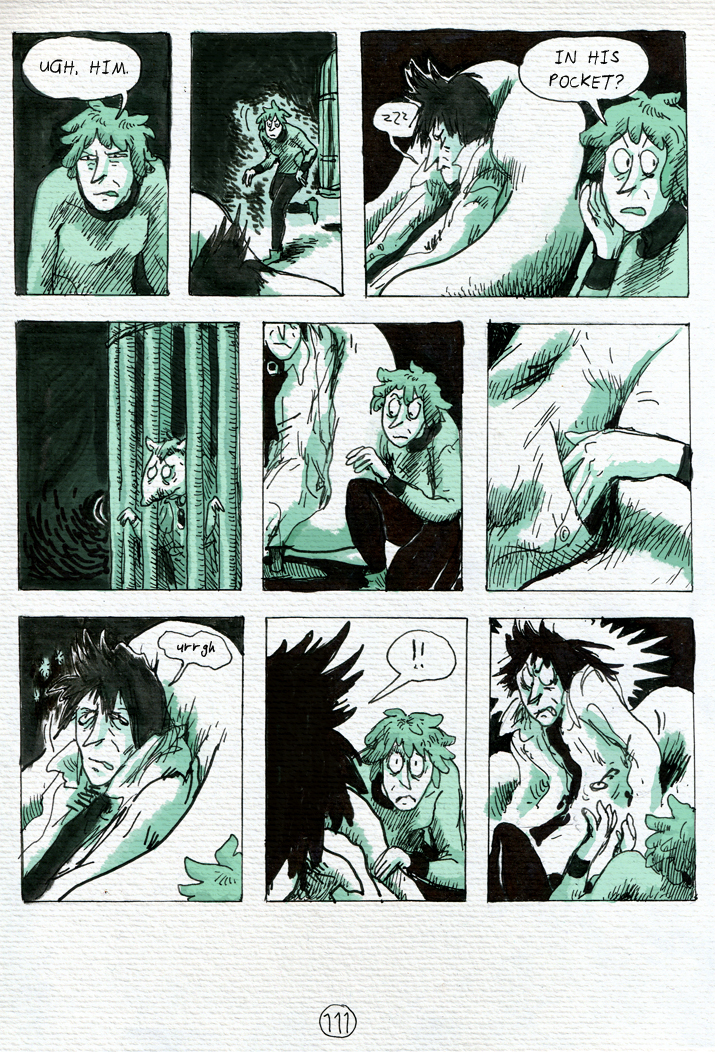
I read comics so sporadically these days especially with the international move we undertook this year, I didn’t have much time for reading longer comics at all. But I have enjoyed watching Pat Grant’s new comic unfold online, same goes with Dylan Horrocks.

What is something non-comics that you have enjoyed in 2014?  
Two documentaries I really loved this year were Tim’s Vermeer, and Jodorowsky's Dune. Both films had a made a profound impression on me artistically speaking. I also follow this blog called the Discipline of Innovation, it’s mostly related to business innovation practices but I enjoy thinking about how the process of innovation happens in general, and it doesn’t take that much of a mental leap to apply the principles to an art practice.

What are you looking forward to in 2015?
I’m hoping to go to TCAF for the first time ever in May. In addition to this i want to make more comics, my biggest hurdle is that I work at such a slow pace. I’m working on a new mini comic at the moment and it makes me cringe to realize how long just a few pages take. Something is better than nothing right.

Anthony Woodward tumblr